Nutrition and Healthy Eating Resources
Actionable nutrition education for energy, metabolism, and long-term health.
69 guides in Nutrition
 Nutrition
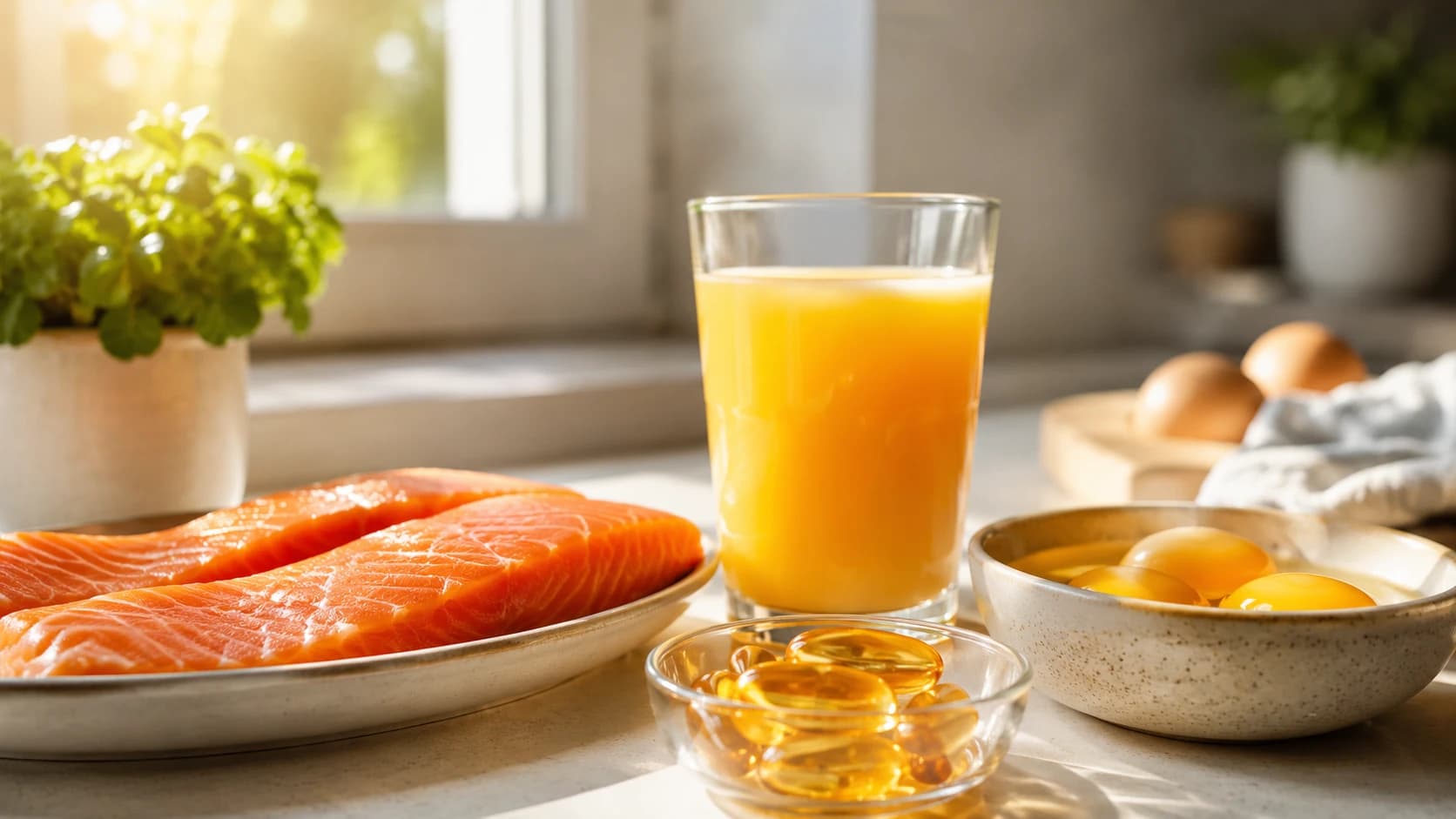
Vitamin D Deficiency: Who Is Actually at Risk and What to Do
Vitamin D deficiency is common and often silent. Learn the real symptoms, causes, how it's tested, and what the evidence says about fixing it safely.
 Food & Nutrition
Foods That Increase Cortisol: What to Limit (and What the Hype Gets Wrong)
Which foods raise cortisol and which claims are overblown. An honest, dose by dose look at sugar, caffeine, alcohol, and ultra processed foods.
 Food & Nutrition
Drinks That Lower Cortisol: What the Evidence Actually Supports
Can a drink really lower cortisol? An honest look at green tea, chamomile, ashwagandha, and water, and what the evidence does and doesn't show.
 Food & Nutrition
A Cortisol-Lowering Meal Plan: Simple, Whole-Food, No Calorie Counting
A simple, whole food cortisol lowering meal plan, qualitative and without calorie counting, plus what it realistically can and can't do for stress.
 Food & Nutrition
Cortisol and Blood Sugar: How They Affect Each Other
Cortisol and blood sugar work in both directions. Here's how cortisol raises glucose, how low blood sugar triggers cortisol, and what steadies both.
 Food & Nutrition
Cortisol Diet: What Food Can (and Can't) Do for Your Stress Hormone
A cortisol diet won't reset your stress hormone overnight. Here's what food can realistically do and the eating pattern that research actually supports.
 Food & Nutrition
Cold Showers: The Claimed Benefits vs. What the Evidence Actually Supports
Cold showers are claimed to boost immunity, cure depression, and accelerate fat loss. A 2016 Dutch RCT tested some of these claims. Here is what it found.
 Sports Supplements
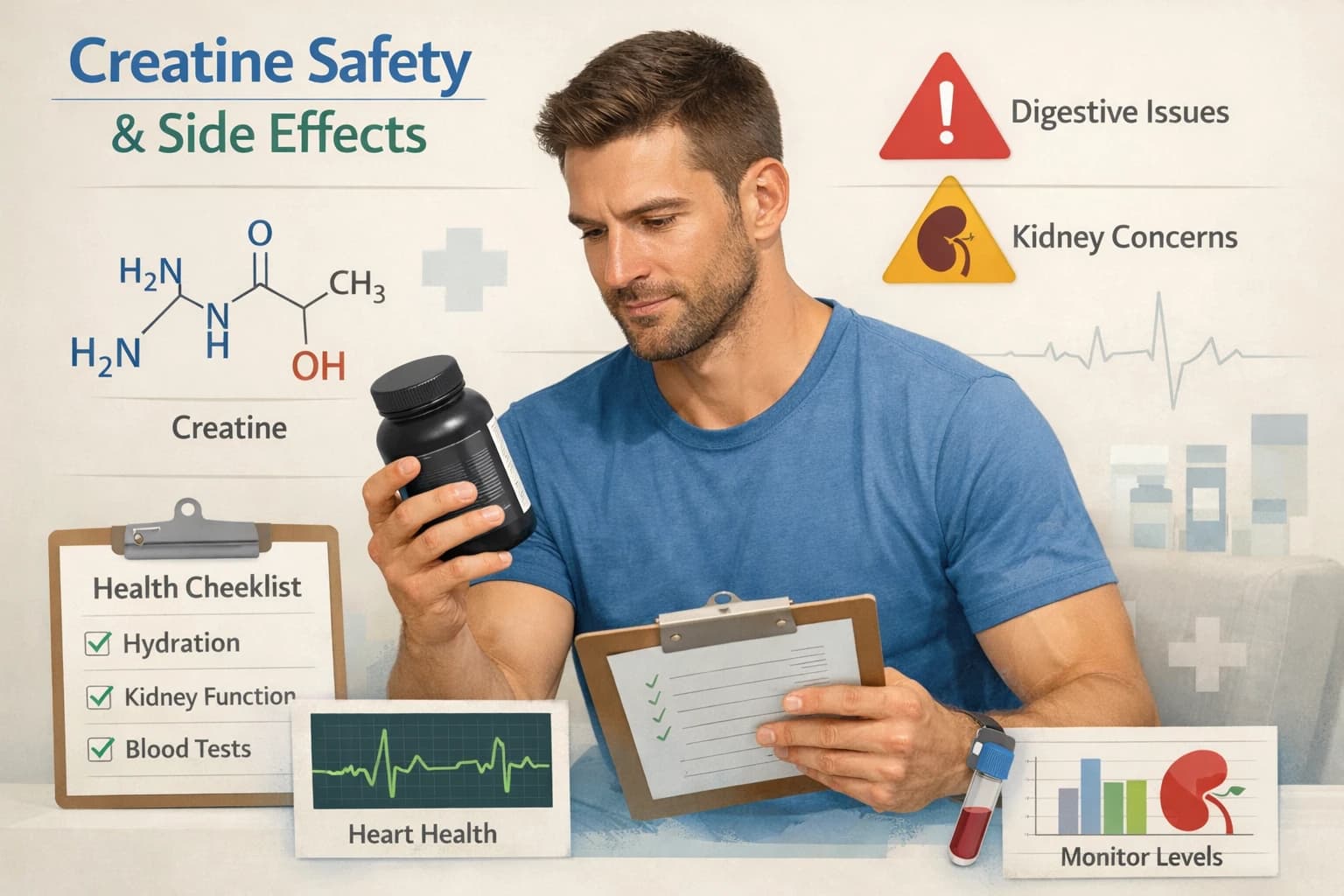
Creatine Safety: Side Effects, Myths, and Who Should Be Careful
For healthy adults, creatine is one of the safest supplements there is. Here is what the evidence says about kidneys, side effects, and the hair loss myth.
 Sports Supplements
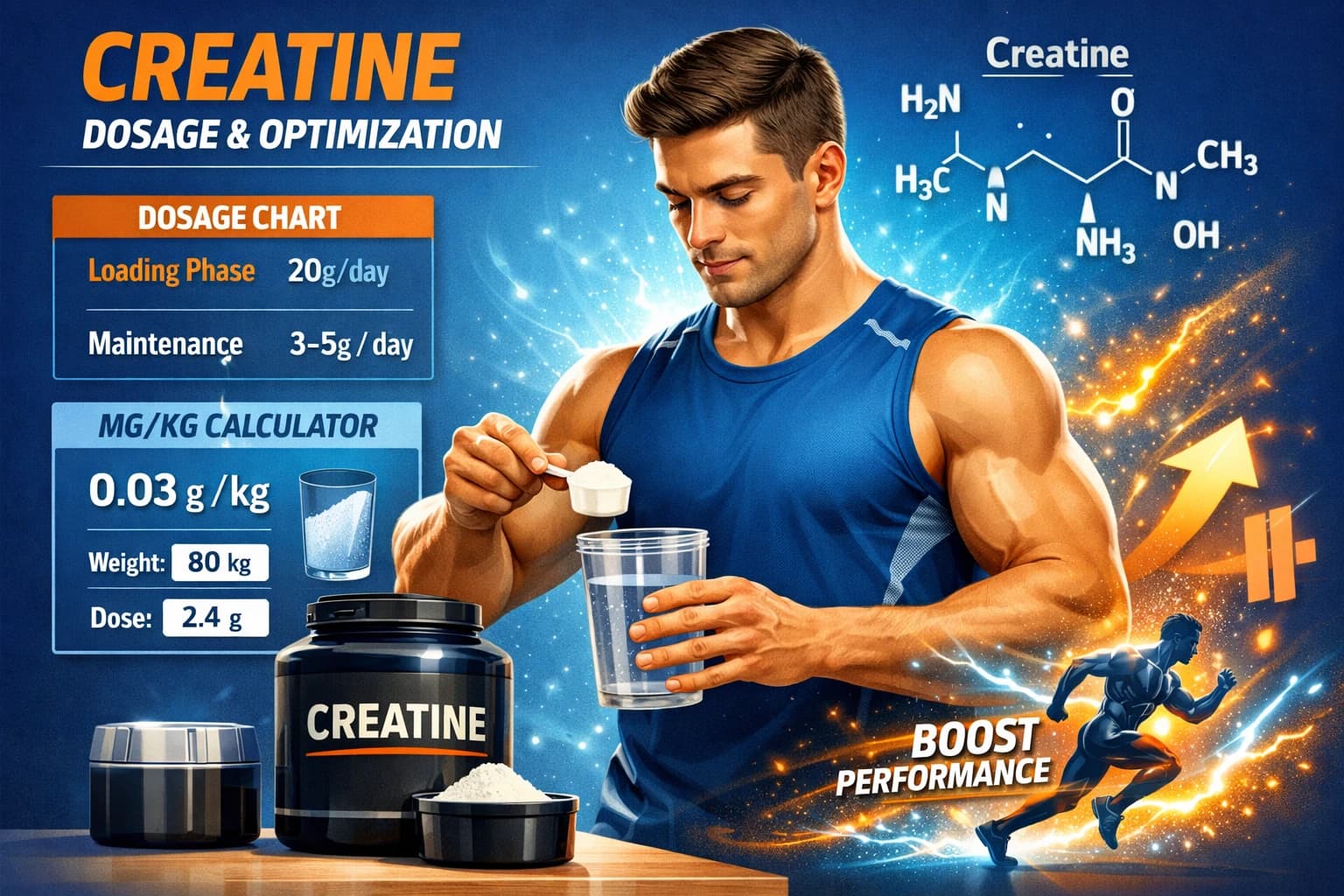
Creatine Dosage: How Much to Take, and When
The short answer: 3 to 5 grams a day. Here is what the evidence says about loading, timing, mixing, and stacking, without the marketing.
 Sports Supplements
Creatine: A Complete, Evidence-Based Guide
Creatine is one of the most studied supplements there is. Here is what the evidence really shows for strength, the brain, women, and safety.
 Sports Supplements
Creatine for Women: What It Helps, What It Doesn't
Creatine is well proven for women's strength, promising for mood, and mixed for bone. Here is the honest, evidence based picture, without the bulk myth.
 Nutrition
10,000 Steps a Day: Where That Number Came From and What the Research Says
Most fitness trackers default to 10,000 steps as a daily goal, and it is easy to assume that number rests on solid science. It does
About Nutrition
This category turns everyday eating questions into specific answers instead of general advice. The metabolism guides explain what actually changes your metabolic rate, and what the marketing gets wrong about 'boosting' it. The sports-supplements guides focus on the handful, creatine chief among them, with real trial evidence behind them, rather than the whole supplement aisle. The healthy-snacks guides build snacks that pair carbohydrate with protein or fiber for steadier energy, instead of just listing foods labeled 'healthy.' And the cholesterol guides walk through what LDL, HDL, and triglycerides actually measure, for anyone holding a lab result and not sure what it means. The guides linked below connect all four areas, so you can go from a general question straight to the page that answers it.
If you only read one guide in this section, make it the one on stomach pain after salad. It is the most-read page here, and it walks through the handful of specific, identifiable reasons a salad can cause discomfort rather than blaming "salad" as a category. Beyond the four areas above, this section also carries a large group of articles on cortisol and stress eating, including the honest version of the "cortisol belly" claim; guides on appetite and fullness signals, such as why you can still be hungry after a protein-heavy meal or hungrier on a rest day than a training day; and guides on food-quality questions like ultra-processed food and anti-inflammatory eating patterns. You will find all of these in the guide list alongside this introduction, grouped so you can go straight to the question that matches yours.