Movement and Everyday Activity
Evidence-first guides to walking, training and staying active, with the limits kept in view.
 Featured
Rest Day vs Active Recovery: What the Evidence Shows
7 guides in Movement
MovementRest Day vs Active Recovery: What the Evidence Shows
Rest day or easy session? What active recovery does and doesn't do, what happens while you recover, how long it takes, and what a watch can't tell you.
 Movement
Stretching Routine for Beginners: What It Changes, What It Doesn't, and How Much Is Enough
What regular stretching actually changes, what it has not been shown to do, how long to hold a stretch, and a simple beginner routine built on the evidence.
 Movement
Balance Exercises for Seniors: What the Fall-Prevention Trials Actually Used
Which balance exercises reduced falls in trials of older adults, how often and for how long, where to start at home, and who should get a falls check first.
 Movement
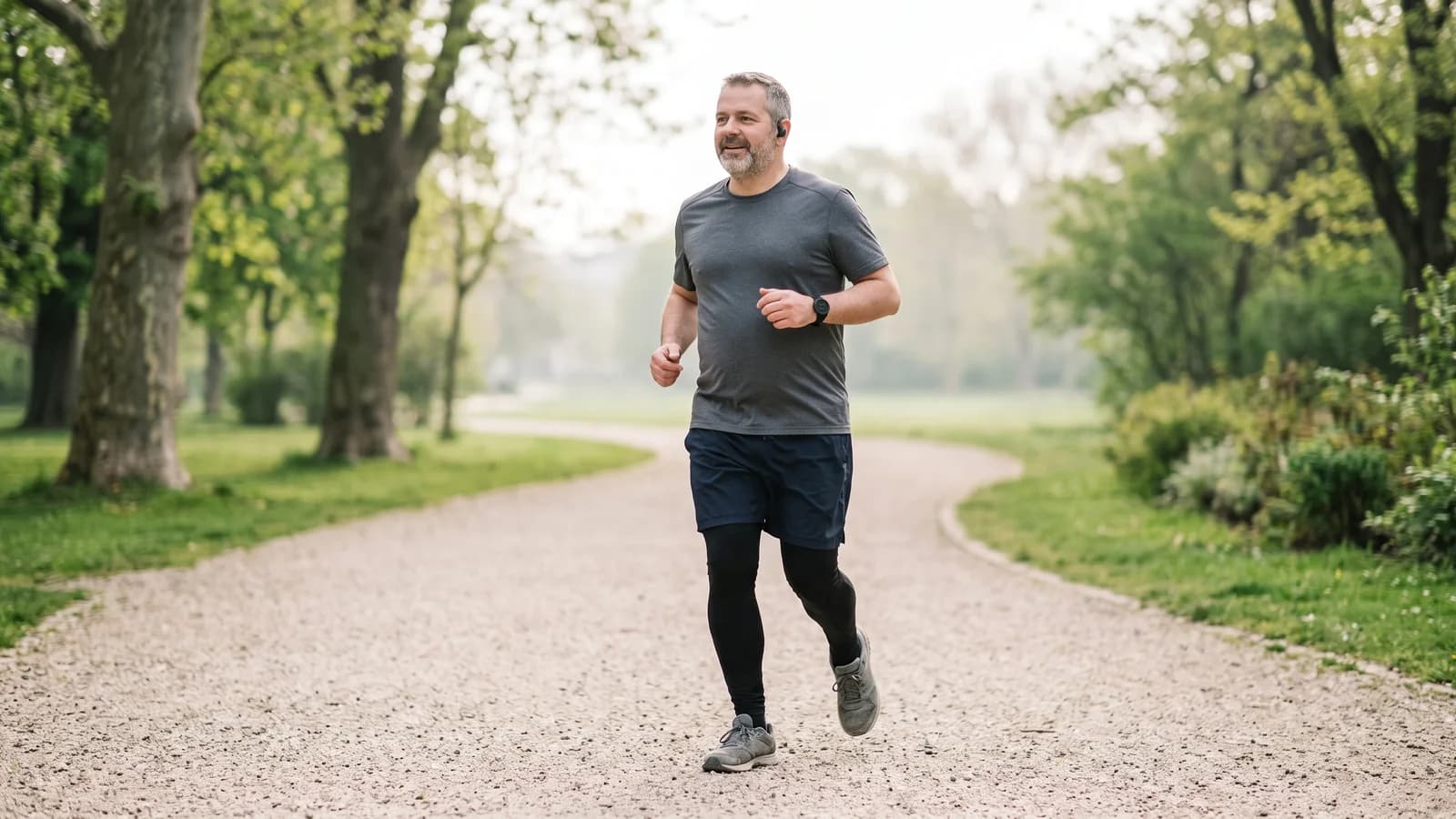
How to Start Running When You're Out of Shape: What the Research Supports
How to begin running from low fitness: a walk run start, how quickly to build up, what injury data show, and when to see a doctor first. Evidence, not promises.
 Movement
Exercise Snacks: What the Trials Tested and What the Headlines Claim
Very short bursts of effort spread through the day. What the trials tested, what the mortality headlines measured, and what nobody has shown yet.
 Movement
The Japanese Walking Method: What the Interval Walking Studies Actually Found
Three minutes fast, three minutes easy. Here is the protocol as the Japanese trials ran it, the results they reported, and the details the coverage skips.
 Movement
How to Stay Consistent With Exercise: What Actually Predicts Sticking With It
The research on exercise consistency points somewhere unexpected: the plan you choose matters far less than what you do in the week after you miss a session.
About Movement
Readers here learn to read an exercise claim the way a researcher would: who was studied, what the comparison group did, which numbers were reported and which were added later by someone else. Start with the consistency guide for the framework, then use the protocol guides for something concrete to try.
This section covers movement the way the research does: named protocols with published numbers, honest effect sizes, and an explicit note wherever a popular claim runs ahead of the evidence. You will find what a study prescribed, what its participants actually did, and which outcomes were measured rather than assumed.