Low-carb snacks get marketed as a universal energy fix. The reality is more useful and more specific: lower-carb, higher-protein snacks can steady your energy by replacing the refined-carb snacks that spike and then crash your blood sugar. But they are not the right tool for every moment, and cutting carbohydrate too hard can backfire, especially around hard training. Here is where the evidence actually lands.
Why lower-carb, balanced snacks can reduce crashes
The afternoon slump after a sugary snack is a real pattern: blood sugar rises fast, then drops, and the drop feels like fatigue. Building a snack with protein and fat changes that curve. The classic glycemic-index research showed that adding fat and protein to carbohydrate slows how quickly blood sugar rises (Jenkins et al., 1981), and fiber slows it further (Anderson et al., 2009).
Protein has a second advantage: it is the most filling macronutrient, so a protein-forward snack tends to hold off hunger longer than a carb-only one (Paddon-Jones et al., 2008). The point is not that carbohydrate is bad. It is that the quality of the snack, and pairing carbs with protein and fat, is what smooths your energy.
Where the evidence is strongest
The clearest benefits of low-carb eating are metabolic, not "more energy" in a healthy person. A BMJ review of randomized trials found that low-carbohydrate diets improved blood sugar control in people with type 2 diabetes, with more reaching remission at six months than on control diets (Goldenberg et al., 2021). The authors were careful to note the certainty was moderate and the long-term picture less clear, so this is a real but bounded benefit, best pursued with medical guidance.
For people who notice big post-meal crashes, swapping refined-carb snacks for lower-carb, higher-protein ones is a reasonable way to reduce that volatility.
Where low-carb does not help, and can hurt
Going very low-carb is not a free upgrade. High-intensity exercise, sprints, heavy lifting, intervals, runs largely on carbohydrate, and the official sports-nutrition position is that carbohydrate availability matters for performance (Thomas et al., 2016). Restricting carbs hard before hard sessions can lower your output.
Two more honest caveats. First, the claim that ketosis universally sharpens energy or focus is not well supported; the evidence is mixed and varies by person. Second, the first week or two of a very low-carb shift can bring fatigue and headaches as your body adapts, so it is a poor time to start if you have important performance demands.
A simple low-carb snack template
You do not need to track anything precisely. Aim for:
- A clear protein source (10 to 20 g)
- Some fiber (3 to 8 g)
- Minimal added sugar
- A whole-food base
Then keep the carbohydrate amount in line with how active you are.
Seven low-carb snacks that work
- Plain Greek yogurt + chia seeds — protein plus fiber and fat for slower digestion.
- Eggs + avocado — protein and monounsaturated fat, very filling.
- Cottage cheese + cucumber + olive oil — slow-digesting dairy protein.
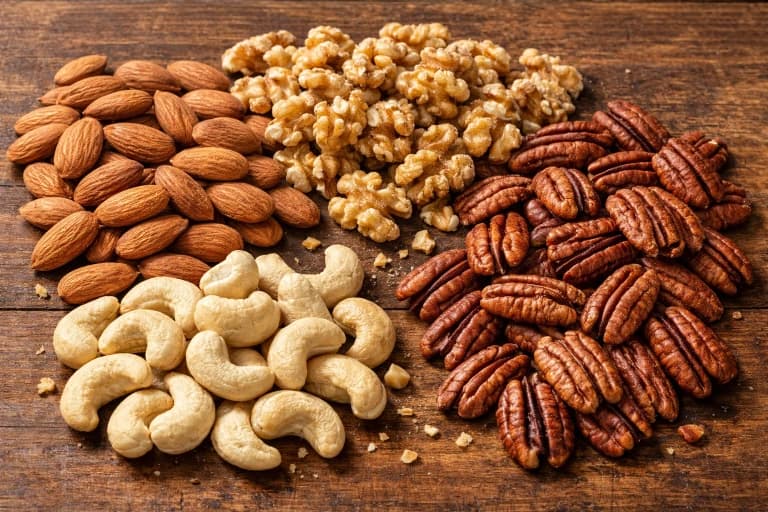
- A small handful of almonds or pistachios — fat, fiber, and magnesium, which the body uses to turn food into energy (Ros, 2010; Tardy et al., 2020).
- A salmon pouch + raw vegetables — protein and omega-3 fats.
- Tofu cubes + tahini-lemon dressing — a plant-based low-carb option.
- Edamame — fiber and protein in one whole food; mind the portion.
For more, see our pillar guide to healthy snacks for energy, best nuts for sustained energy, office snacks, and pre-workout snacks.
Who should be cautious
Low-carb snacking is not right for everyone. Get individual guidance from a clinician or dietitian before going low-carb if you:
- take medication for diabetes (low-carb eating can change your dosing needs),
- are pregnant or breastfeeding,
- have chronic kidney disease,
- have a history of disordered eating, where restrictive rules can be harmful,
- or train at high volume or intensity, where you likely need more carbohydrate.
The bottom line
Low-carb snacks help most when they replace spike-and-crash refined snacks with whole foods, protein, and fiber. They have real metabolic benefits in type 2 diabetes, but they are not a universal energy upgrade and can hurt high-intensity performance. Use them strategically, match your carbohydrate to your activity, and individualize if any of the cautions apply. Browse all our nutrition guides for more.
Frequently Asked Questions (FAQ)
Do low-carb snacks give you more energy? They can steady your energy by replacing refined-carb snacks that spike and crash your blood sugar. They do not add energy on their own, and very low-carb eating can actually reduce performance during hard exercise.
Do I need to be in ketosis for steady energy? No. Most people get steadier energy simply by improving snack quality, more protein, fiber, and whole foods, without full ketogenic restriction.
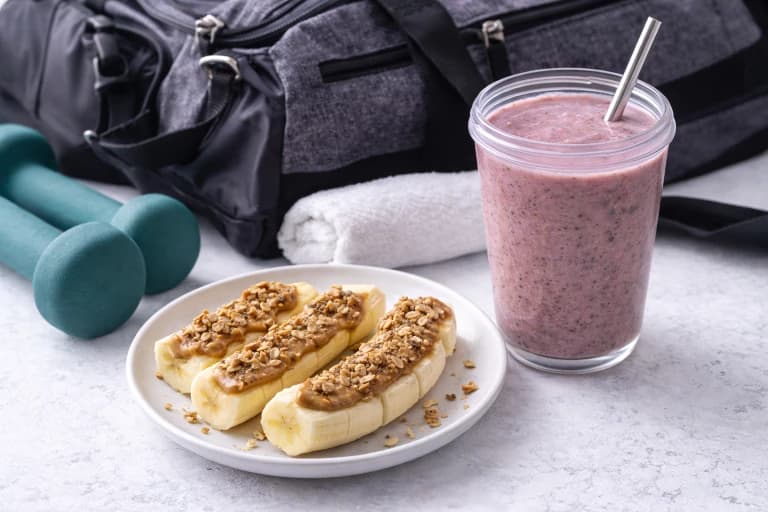
Are low-carb snacks good before a workout? For easy sessions, yes. For high-intensity training, your muscles rely on carbohydrate, so a snack with some carbs beforehand usually supports better performance.
Are low-carb snacks right for everyone? No. People on diabetes medication, who are pregnant, have kidney disease, a history of disordered eating, or train at high volume should get individual guidance from a clinician.
What is a simple low-carb snack template? Aim for a clear protein source, some fiber, minimal added sugar, and a whole-food base. For example, plain Greek yogurt with chia, or eggs with avocado.
Medical disclaimer: This article is for informational purposes only. Always consult a qualified healthcare provider before making changes to your health routine.
Sources
- Jenkins DJ, et al. Glycemic index of foods: a physiological basis for carbohydrate exchange. American Journal of Clinical Nutrition, 1981 — PubMed. https://pubmed.ncbi.nlm.nih.gov/6259925/
- Anderson JW, et al. Health benefits of dietary fiber. Nutrition Reviews, 2009 — PubMed. https://pubmed.ncbi.nlm.nih.gov/19335713/
- Paddon-Jones D, et al. Protein, weight management, and satiety. American Journal of Clinical Nutrition, 2008 — PubMed. https://pubmed.ncbi.nlm.nih.gov/18469287/
- Goldenberg JZ, et al. Efficacy and safety of low and very low carbohydrate diets for type 2 diabetes remission: systematic review and meta-analysis. BMJ, 2021 — PubMed. https://pubmed.ncbi.nlm.nih.gov/33441384/
- Thomas DT, Erdman KA, Burke LM. Position of the Academy of Nutrition and Dietetics, Dietitians of Canada, and the American College of Sports Medicine: Nutrition and Athletic Performance. Journal of the Academy of Nutrition and Dietetics, 2016 — PubMed. https://pubmed.ncbi.nlm.nih.gov/26920240/
- Ros E. Health benefits of nut consumption. Nutrients, 2010 — PubMed Central. https://pmc.ncbi.nlm.nih.gov/articles/PMC3257681/
- Tardy AL, et al. Vitamins and minerals for energy, fatigue and cognition. Nutrients, 2020 — PubMed. https://pubmed.ncbi.nlm.nih.gov/31963141/
All sources accessed 31 May 2026.

Sophia Martinez, MS, CNS
A wellness researcher focused on what the evidence actually says.