You know the moment: it is mid-afternoon, you have reread the same email twice, and the meeting feels like walking through wet cement. That slump is partly the natural circadian "afternoon dip," which tends to hit between about 2 and 5 p.m. even when you slept well. A smart, well-timed snack can flatten the crash instead of feeding it.
Part of what makes the dip worse is the food. After a lunch heavy on refined carbohydrate, blood sugar rises quickly and then drops, which can leave you foggy and hungry. In fact, a low-glycemic meal produced better afternoon thinking than a high-glycemic one in a controlled study (Papanikolaou et al., 2006). The fix is to pick snacks that steady blood sugar with protein, fiber, and healthy fat instead of sugar alone.
The ideal office snack formula
Protein + fiber + healthy fat is the simplest way to build a snack that lasts. A practical target for most adults is roughly 7 to 10 g protein, 3 to 5 g fiber, and some healthy fat. Pairing fiber-rich carbohydrate with protein and fat slows how fast blood sugar rises (Jenkins et al., 1981; Anderson et al., 2009). Healthy fat at the office means nuts, seeds, avocado, or fatty fish rather than fried snacks. The point is not to chase numbers; it is to build a balanced bite.
The complete 30 office snacks
Macro estimates use typical serving sizes from USDA FoodData Central.
Shelf-stable desk staples
1. Almonds (1 oz). Crunchy, portable, rich in magnesium, which the body uses to turn food into energy (Tardy et al., 2020). ~6 g protein, ~3.5 g fiber, ~14 g fat. Tip: keep a 1-oz container to avoid grazing from a big bag.
2. Pistachios (1 oz, shelled). Slower-eating nuts that pace portion size. ~6 g protein, ~3 g fiber, ~13 g fat. Tip: the shells slow you down further.
3. Roasted chickpeas (½ cup). A crunchy, fiber-rich swap for chips. ~6–7 g protein, ~5–6 g fiber, ~2–4 g fat. Tip: store in an airtight jar so they stay crisp.
4. Whole-grain crackers + single-serve peanut butter (~1 oz crackers + 2 Tbsp). The carb-plus-fat combo feels meal-like. ~7–8 g protein, ~3–5 g fiber, ~16 g fat. Tip: choose low-sodium crackers if you are salt-sensitive.
5. Shelf-stable chicken pouch + whole-grain crackers. Lean protein keeps you full longer than carbs alone. ~15–20 g protein, ~3–4 g fiber, ~1–4 g fat. Tip: eat in a break room if you are smell-conscious.
Fridge-required options
6. Plain Greek yogurt + berries (¾ cup + ½ cup). High protein with antioxidant-rich fruit. ~15–18 g protein, ~3–4 g fiber. Tip: keep frozen berries in the office freezer.
7. Cottage cheese + cucumber slices (½ cup + 1 cup). Savory protein without heaviness. ~12–14 g protein, ~1–2 g fiber. Tip: add pepper or everything-bagel seasoning.
8. Hard-boiled eggs (2 large). Classic portable protein with no sugar swing. ~12–13 g protein, ~10 g fat. Tip: store in the shell and use within a week (FoodSafety.gov).
9. Hummus + carrot and celery sticks (¼ cup + 1–2 cups). Vegetable fiber plus chickpea protein and fat. ~4–6 g protein, ~5–6 g fiber. Tip: snack-size cups keep portions consistent.
10. Cheese cubes + grapes (1 oz + 1 cup). Sweet-savory, balancing quick carbs with protein and fat. ~7 g protein, ~1 g fiber, ~9 g fat. Tip: pack grapes in a leak-proof container.
Brain-focus snacks
11. Walnuts (1 oz). Provide plant omega-3 (ALA); omega-3 fats are building blocks of cell membranes. ~4 g protein, ~2 g fiber, ~18 g fat. Tip: pre-portion to 1 oz.
12. Pumpkin seeds (1 oz). Magnesium-rich and crunchy, supporting energy metabolism (Tardy et al., 2020). ~7–8 g protein, ~13–14 g fat. Tip: sprinkle on a lunch salad too.
13. Salmon pouch + brown-rice crackers. Salmon is rich in the omega-3s DHA and EPA. ~17–20 g protein, ~2–3 g fiber. Tip: a squeeze of lemon keeps it fresh.
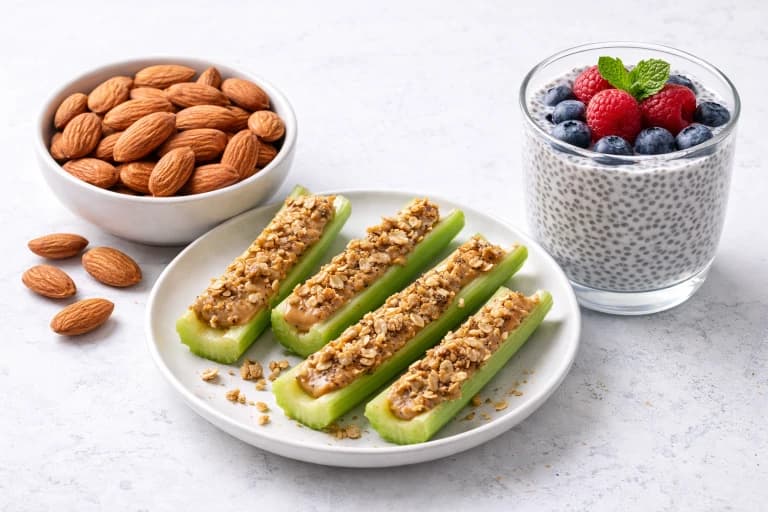
14. Chia pudding jar (3 Tbsp chia + ¾ cup milk). Fiber and healthy fat from chia, protein from milk. ~8–12 g protein, ~10 g fiber. Tip: make three jars at once.
15. Sardines on whole-grain crispbread (½ can + 2 crispbreads). A compact omega-3 and protein source. ~15–18 g protein, ~3–4 g fiber. Tip: eat in a ventilated area if smell-conscious.
Vegan-friendly picks
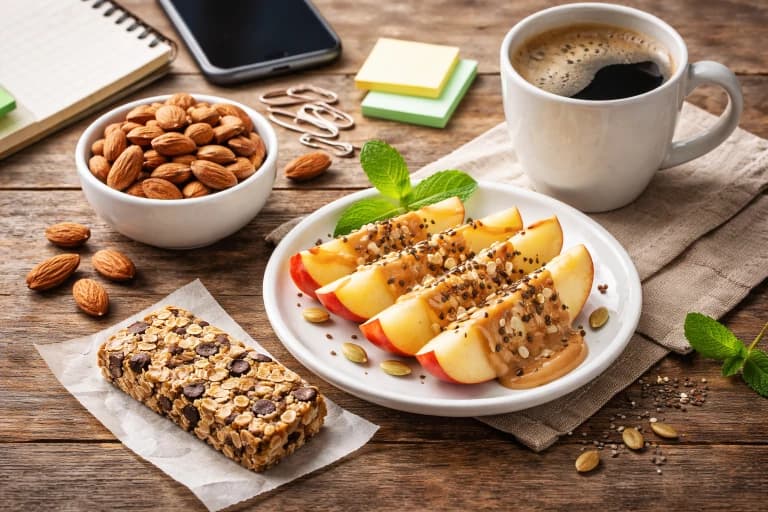
16. Apple slices + almond butter (1 medium + 2 Tbsp). Fruit fiber plus nut fat slows the glucose rise. ~4–6 g protein, ~5–6 g fiber. Tip: a squeeze of lemon prevents browning.
17. Avocado + whole-grain crackers (½ avocado + 1 oz crackers). Creamy fat with whole-grain fiber. ~4–6 g protein, ~6–8 g fiber. Tip: keep a salt-free seasoning in your drawer.
18. Overnight oats with chia + soy milk (½ cup oats + 1 Tbsp chia + ¾ cup soy milk). Slow carbs, fiber, and plant protein. ~12–15 g protein, ~8–10 g fiber. Tip: make in a sealed jar.
19. Roasted soy nuts (¼ cup). High-protein and shelf-stable. ~14–16 g protein, ~4–6 g fiber. Tip: choose low-sodium versions.
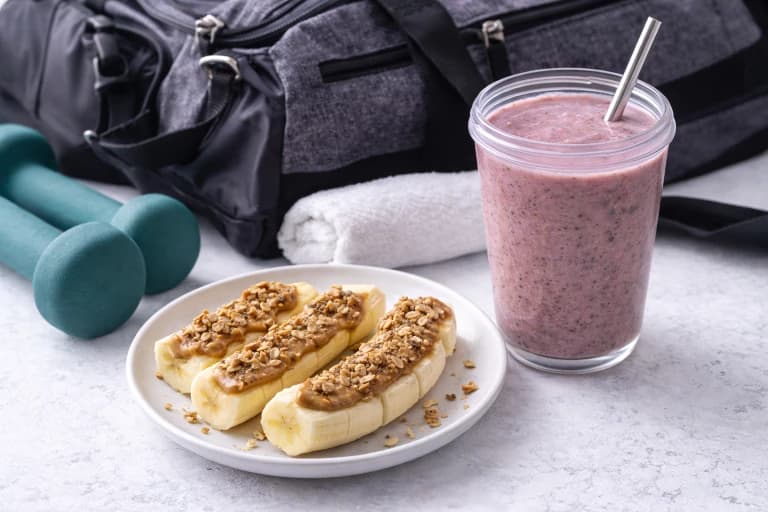
20. Banana + tahini squeeze pack (1 medium + 1 Tbsp). Quick carbs plus sesame fat prevent a sugar-only spike. ~3–4 g protein, ~3–4 g fiber. Tip: keep the tahini packet at your desk.
High-protein picks
21. Turkey roll-ups with mustard (3–4 oz deli turkey). Lean protein levels out afternoon hunger. ~18–24 g protein. Tip: lower-sodium turkey wrapped around pepper strips.
22. Low-sugar jerky (1–1.5 oz). Compact protein that travels well. ~10–15 g protein. Tip: pick short ingredient lists and minimal added sugar.
23. Plain skyr (¾ cup). Very high protein, low sugar. ~15–20 g protein. Tip: add cinnamon or vanilla instead of sweeteners.
24. Egg bites (2 small). Portable, high protein, feels like real food. ~12–14 g protein. Tip: batch on Sunday and refrigerate.
25. Cooked shrimp + lemon (3–4 oz). Lean and light on the stomach. ~18–22 g protein. Tip: eat in a break room if you share a space.
Quick-grab options
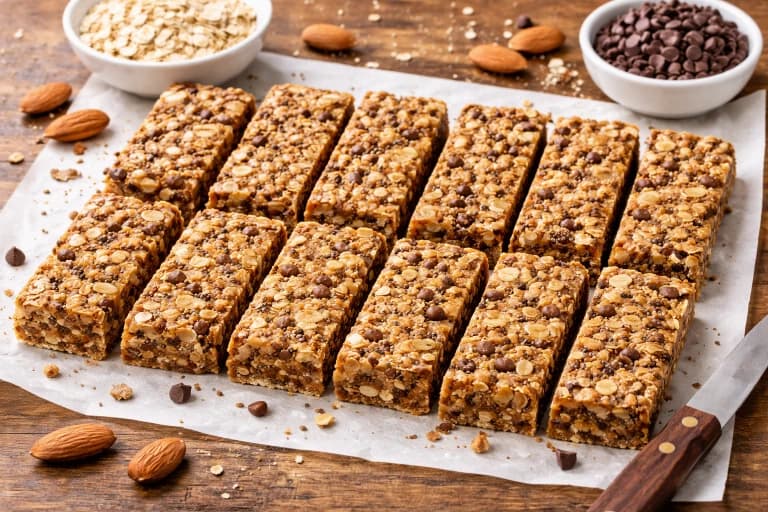
26. Protein bar with low added sugar. Useful when you have no time, but check labels. ~10–20 g protein, ~3–8 g fiber. Tip: aim for 5 g or less added sugar.
27. Single-serve hummus + pretzel thins. Portable, no prep, balanced. ~4–6 g protein, ~3–4 g fiber. Tip: add baby carrots for more fiber.
28. Single-serve guacamole + baked tortilla chips. A fat-forward snack; add fruit for fiber. ~2–4 g protein, ~4–6 g fiber. Tip: keep chips portioned.
29. Single-serve trail mix (unsweetened). Nuts, seeds, and a little fruit for quick energy plus staying power (Ros, 2010). ~5–7 g protein, ~3–4 g fiber. Tip: skip versions with candy pieces.
30. String cheese + whole fruit (1 stick + 1 apple or pear). Protein plus fiber, a classic no-mess combo. ~7–8 g protein, ~4–6 g fiber. Tip: keep fruit at your desk and cheese in the fridge.
Best snacks for focus
If your work needs sustained attention, lean on a few nutrients that show up repeatedly in research:
- Magnesium and B vitamins play direct roles in turning food into energy, and being short on them is linked to fatigue (Tardy et al., 2020). Office sources: pumpkin seeds, almonds, chickpeas.
- Omega-3 fats are structural components of brain cell membranes; salmon pouches, sardines, and walnuts are practical choices.
- Steady-release carbohydrate (oats, whole-grain crackers) paired with protein keeps blood sugar even, which supports clearer afternoon thinking (Papanikolaou et al., 2006).
Snacks to go easy on, and why
- Vending-machine chips and refined crackers. Refined carbs digest fast and spike then drop blood sugar.
- Sugary coffee drinks. Liquid sugar raises glucose quickly, and the caffeine-plus-sugar combo often leads to a later dip.
- Candy bars and pastries. High added sugar with little fiber or protein means a fast spike with minimal staying power. The WHO suggests keeping free sugars under 10% of daily energy (WHO).
The Sunday desk-prep plan
- Hard-boil 6 eggs. Boil, cover off the heat about 10 minutes, then chill in ice water. Store in the shell and use within a week (FoodSafety.gov).
- Portion nuts. Make five 1-oz bags so portions stay consistent.
- Prep chia jars. Mix 3 Tbsp chia + ¾ cup milk + a little cinnamon per jar; refrigerate overnight, add berries in the morning.
- Wash and cut vegetables. Slice carrots, cucumber, and peppers into sticks; store airtight and use within a few days.
Frequently Asked Questions (FAQ)
What are the best non-perishable office snacks? Shelf-stable nuts, roasted chickpeas, and peanut-butter packets with whole-grain crackers are the easiest. They store well and hit the protein-fiber-fat mix that steadies energy. Keep portions pre-measured.
How often should I snack at work? Most people do well with one planned snack between lunch and late afternoon. Snack when you first notice a dip rather than waiting until you are depleted.
Are protein bars good for office energy? They can be, but check the label. Look for at least 10 g protein, some fiber, and little added sugar. If a bar tastes like candy, it usually behaves like candy.
What snacks help focus during long meetings? Magnesium-rich seeds like pumpkin seeds, omega-3 sources like walnuts or salmon, and steady-release carbs like oats or whole-grain crackers are good choices.
What can I keep in my desk drawer? Shelf-stable items: almonds or pistachios in 1-ounce bags, roasted chickpeas, soy nuts, single-serve nut-butter packs, and whole-grain crackers to build a balanced snack.
Medical disclaimer: This article is for informational purposes only. Always consult a qualified healthcare provider before making changes to your health routine.
Conclusion
The afternoon crash is real, but it is also predictable and preventable. Plan for it with balanced, portable options and a small desk stash, and you can stay sharp without reaching for sugar or another coffee. For more, see the healthy snacks for energy pillar, low-carb snacks, best nuts for sustained energy, and pre-workout snacks.
Sources
- Papanikolaou Y, et al. Better cognitive performance following a low-glycaemic-index compared with a high-glycaemic-index carbohydrate meal in adults with type 2 diabetes. Diabetologia, 2006 — PubMed. https://pubmed.ncbi.nlm.nih.gov/16508776/
- Jenkins DJ, et al. Glycemic index of foods: a physiological basis for carbohydrate exchange. American Journal of Clinical Nutrition, 1981 — PubMed. https://pubmed.ncbi.nlm.nih.gov/6259925/
- Anderson JW, et al. Health benefits of dietary fiber. Nutrition Reviews, 2009 — PubMed. https://pubmed.ncbi.nlm.nih.gov/19335713/
- Tardy AL, et al. Vitamins and minerals for energy, fatigue and cognition. Nutrients, 2020 — PubMed. https://pubmed.ncbi.nlm.nih.gov/31963141/
- Ros E. Health benefits of nut consumption. Nutrients, 2010 — PubMed Central. https://pmc.ncbi.nlm.nih.gov/articles/PMC3257681/
- USDA FoodData Central — serving-size nutrition data. https://fdc.nal.usda.gov/
- World Health Organization. Guideline: Sugars intake for adults and children. https://www.who.int/publications-detail-redirect/WHO-NMH-NHD-15.3
- FoodSafety.gov — Cold Food Storage Charts. https://www.foodsafety.gov/food-safety-charts/cold-food-storage-charts
All sources accessed 31 May 2026.

Sophia Martinez, MS, CNS
A wellness researcher focused on what the evidence actually says.