Herbal Wellness Guide
Science-aware herbal wellness resources with practical and safety-focused context.
30 guides in Herbs
 Ashwagandha
Ashwagandha and Medication Interactions: What Actually Interacts, and Why
If you take a prescription medication and you're considering ashwagandha, "ask your doctor" is true but not very useful on its own — it doesn't
 Ashwagandha
Ashwagandha Side Effects: What the Case Reports Actually Show
The documented side effects of ashwagandha, including the liver and thyroid case reports most sites skip, and who should avoid it or use caution.
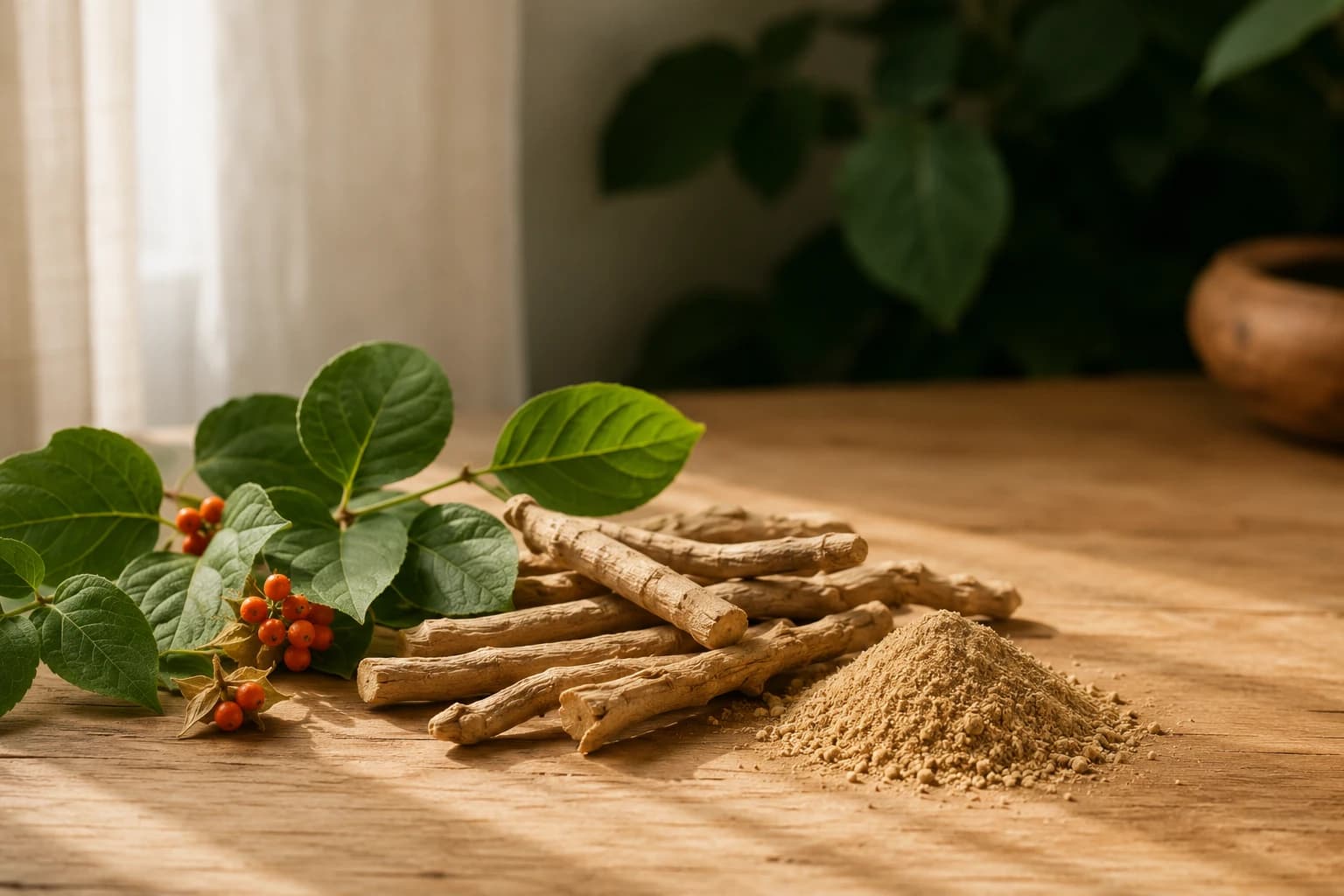 Ashwagandha
Ashwagandha Benefits: What the Evidence Actually Shows
What ashwagandha is actually shown to help with, what the evidence doesn't support yet, how extracts differ, and who should avoid it.
 Herbal Tea Benefits
Caffeine-Free Bedtime Teas and How to Choose One
A practical guide to caffeine free bedtime teas — which herbs actually help you wind down, why "decaf" still isn't zero.
 Herbal Tea Benefits
Ginger Tea and Inflammation: What the Evidence Supports
Ginger tea's real strengths are nausea and modest anti inflammatory effects. Here is what the research shows, sensible amounts, the blood thinner caution.
 Herbal Tea Benefits
Peppermint Tea for Digestion: What It Helps and What It Doesn't
Does peppermint tea really help digestion? A clear look at the evidence for bloating and IBS, the tea versus oil distinction, the reflux catch.
 Herbal Tea Benefits
Chamomile Tea for Sleep: Does It Actually Work?
An honest look at chamomile tea for sleep — the apigenin mechanism, what the human studies show, how to brew it, who should avoid it.
 Herbal Tea Benefits
Herbal Tea Benefits: A Practical, Evidence-Based Guide
A calm, honest guide to herbal tea benefits — what chamomile, peppermint, ginger, and bedtime blends can and cannot do, how to brew them well.
 Herbs
HerbsFumitory (Fumaria officinalis): Benefits, Uses, and Safety
Fumitory's isoquinoline alkaloids explain its traditional bile use and stricter safety profile. What the EU monograph and the one real trial actually show.
 Herbs
HerbsCramp Bark (Viburnum opulus): Benefits, Uses, and Safety
What cramp bark is traditionally used for, why the human evidence for period pain is still missing, how it is prepared, and the safety points that matter.
 Herbs
HerbsTormentil (Potentilla erecta): Benefits, Uses, and Safety
What tormentil root is used for, what the human trials on diarrhoea and ulcerative colitis actually show, its regulatory status, dosage, and safety.
 Herbs
HerbsKorean Mint (Agastache rugosa): Benefits, Uses, and Safety
What Korean mint (Agastache rugosa, Huo Xiang) is used for, what the research actually shows, and an important safety note about its estragole content.
About Herbs
In this category, readers learn how to evaluate herbal remedies using both tradition and evidence-aware thinking. You will find preparation methods, dosage context, and safety boundaries that support better decision making. Start with the featured articles below, then continue through related links to compare similar herbs and use cases.
This herbal wellness section is built for readers who want practical, responsible information about medicinal plants. Each guide is designed to explain traditional use, modern context, and preparation options in plain language. Instead of vague claims, the focus is on what a herb may be used for, how people commonly prepare it, and where caution is needed.