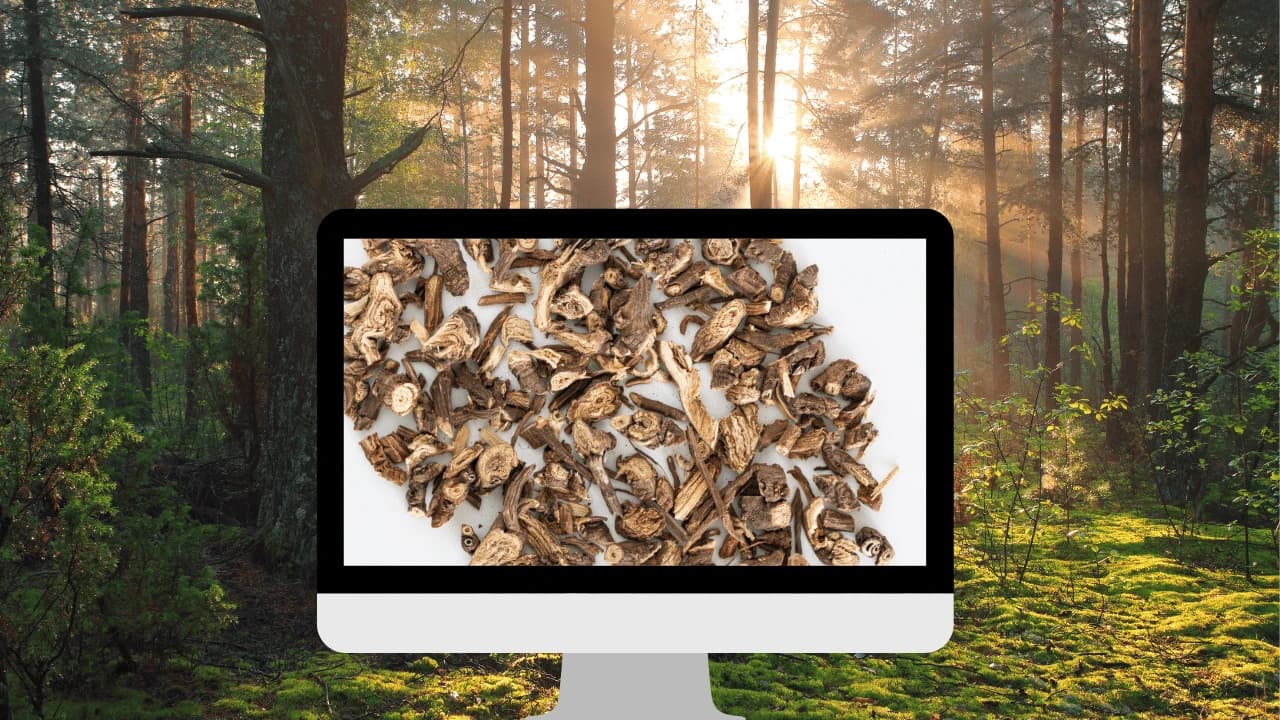
Bupleurum, known as Chai Hu, is one of the most-used roots in Traditional Chinese Medicine (TCM). Unlike many single herbs, it is almost never prescribed alone — it anchors multi-herb formulas such as Xiao Chai Hu Tang, known in Japanese Kampo medicine as Sho-saiko-to. Those same formulas also carry one of the more concrete, well-documented safety records of any herb on this site: published case reports of drug-induced liver injury, and, in Japan, a serious lung reaction called interstitial pneumonitis, especially when combined with interferon therapy. Because that safety picture is so specific and so often left out of online write-ups, this guide leads with it before covering the traditional uses and the clinical research.
Chai Hu is a formula herb, not a stand-alone remedy
Bupleurum is the dried root (Radix Bupleuri) of plants in the carrot family. The species used medicinally are mainly Bupleurum chinense and Bupleurum falcatum; a related species, Bupleurum longiradiatum, is toxic and is not used medicinally. The root's most-studied compounds are saikosaponins, along with essential oils and other secondary metabolites (Ashour & Wink, 2011).
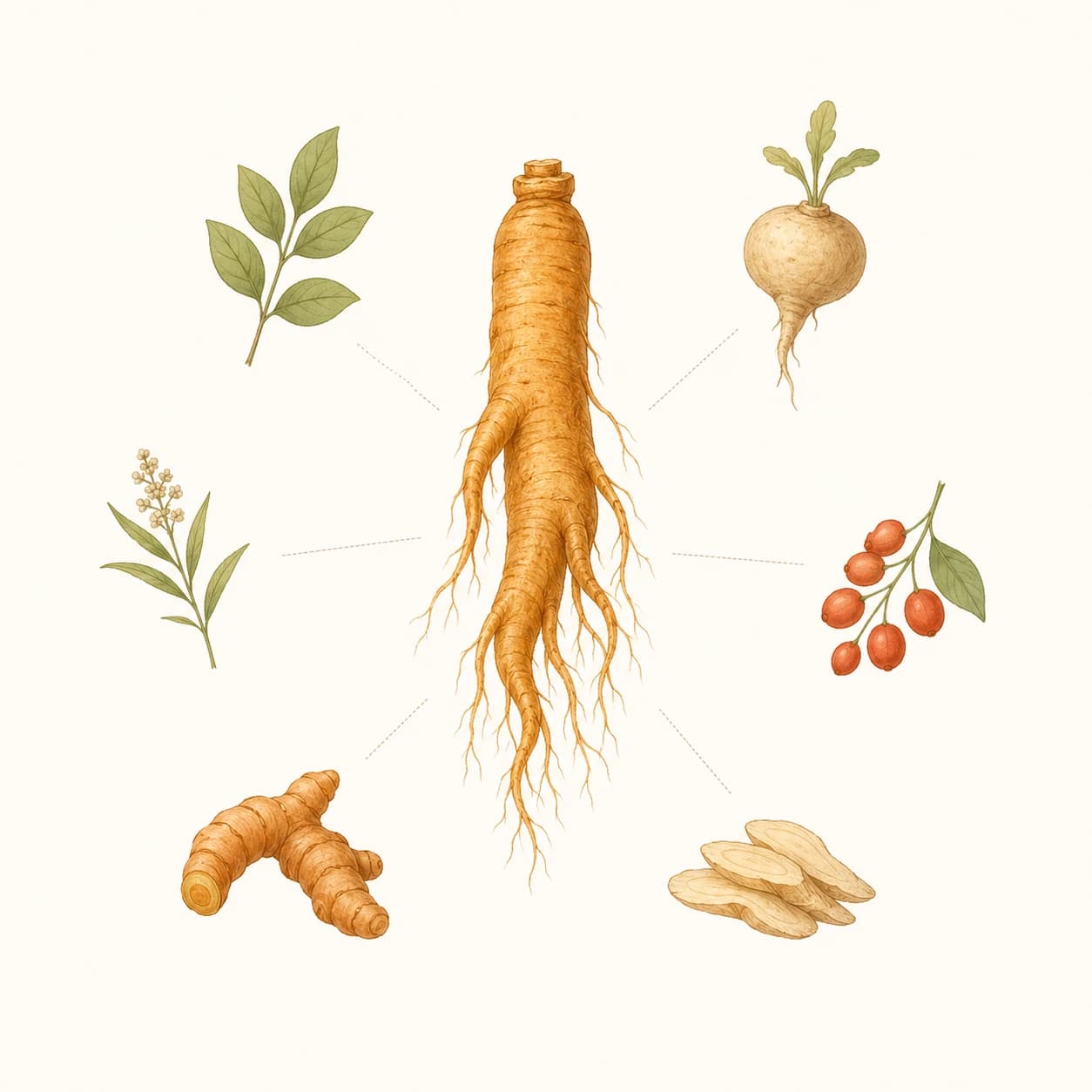
In TCM, Chai Hu is described as bitter and cooling and is used to "harmonize" and move stagnant liver qi. It is a core ingredient in classic formulas including Xiao Yao San and Xiao Chai Hu Tang. LiverTox — the NIH's clinical reference on drug-induced liver injury — notes that this formula typically also contains Pinellia tuber, Scutellaria baicalensis root (Chinese skullcap), ginseng root, ginger, licorice root, and jujube fruit alongside bupleurum, and that it goes by different names depending on the tradition: Sho-saiko-to in Japan, Xiao Chai Hu Tang in China (LiverTox, NIDDK). Because bupleurum is almost always taken as one ingredient among several, most of what is known about its effects — good and bad — actually comes from studying these formulas, not the isolated root.
The safety signal that sets bupleurum apart
Of the herb profiles on this site, bupleurum has one of the more concrete safety records: not a hypothetical interaction on paper, but published case reports and a specific regulatory warning history in Japan. This is the section to read closely before considering bupleurum in any form.
Documented liver injury linked to Chai Hu formulas
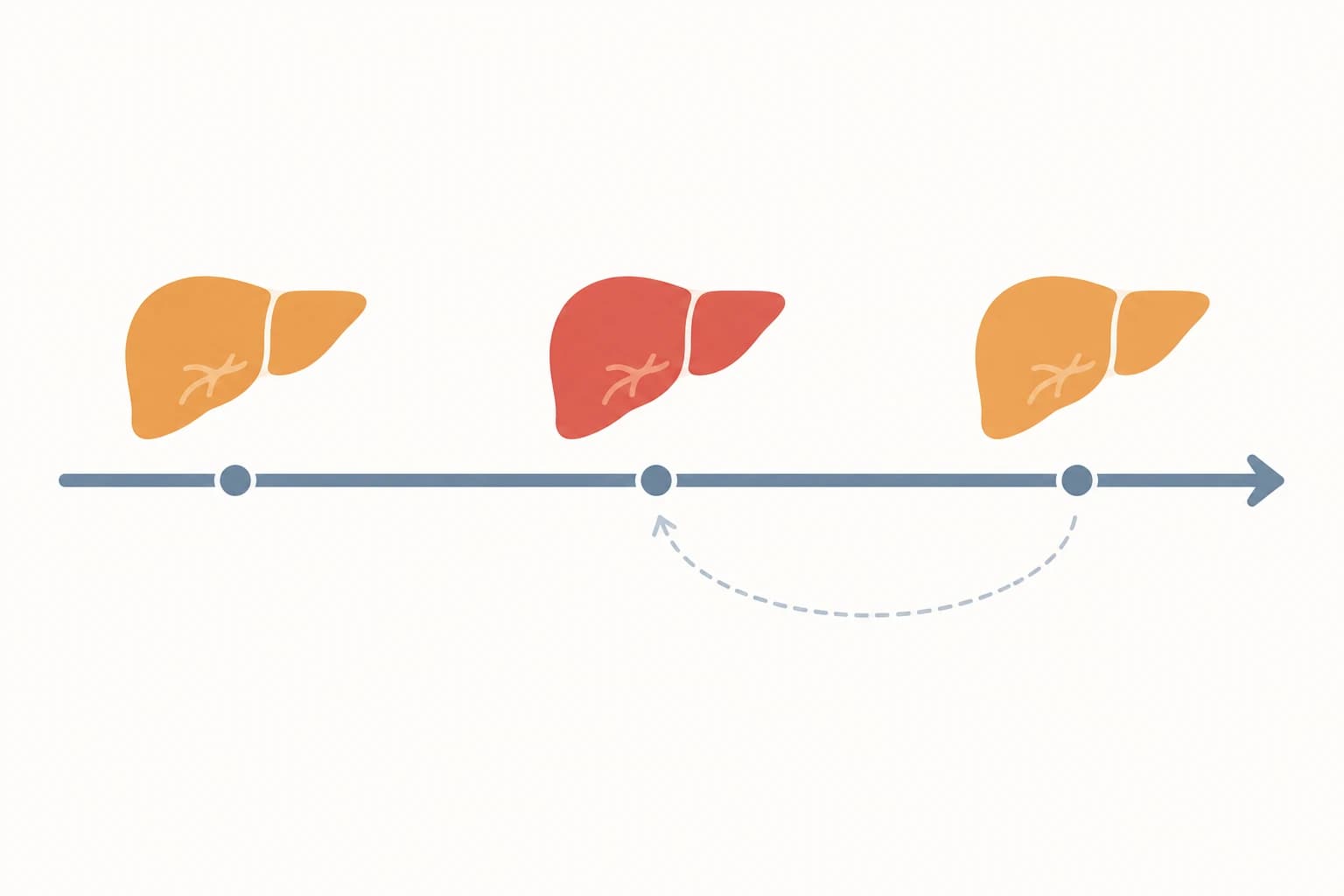
LiverTox describes multiple case reports of clinically apparent, hepatocellular-pattern acute liver injury linked to Sho-saiko-to and the related formula Dai-saiko-to, with onset 3 to 8 weeks after starting the herb and recovery within 4 to 8 weeks of stopping it. Several patients relapsed after restarting the formula, which the entry treats as strong evidence that the herb was the cause (LiverTox, NIDDK). A 2018 case report in the journal Internal Medicine describes a woman who developed liver injury after taking shosaikoto, recovered, and then developed liver injury again about a year later after taking a different formula, saikokeishikankyoto — both formulas share Scutellariae radix (Chinese skullcap) as an ingredient (Shimada et al., 2018). LiverTox itself notes that the specific component responsible for this injury pattern has not been definitively identified but is suspected to be Scutellaria rather than bupleurum (LiverTox, NIDDK) — an important nuance, since it means the clearest injury signal is tied to these multi-herb formulas rather than proven for bupleurum root taken alone.
Dose also appears to matter. A toxicology review of Radix Bupleuri found that reported cases of acute hepatitis and hepatic necrosis involved a mean total daily dose of about 18 g of the root — above the Chinese Pharmacopoeia's recommended range of 3 to 10 g per day — and identified saikosaponins as the compounds most likely responsible for dose-dependent liver injury (Yang et al., 2017). Separately, Memorial Sloan Kettering's herb monograph notes an increased risk of liver injury in hepatitis B patients using Chinese herbal products containing more than 19 g of bupleurum (MSKCC, Bupleurum).
Interstitial pneumonitis, especially combined with interferon
Separate from liver injury, Sho-saiko-to has been linked in Japan to interstitial pneumonitis, a serious and occasionally fatal lung inflammation. A case series identified 94 suspected cases between January 1988 and January 1990, of which an expert committee confirmed 72 as caused by the formula, with a mean interval of about 50 days between starting treatment and the onset of pneumonitis; some patients died despite high-dose steroid treatment (CTCA e.V., Interstitial Pneumonia and Kampo Medicine). This history is why, since 1994, Japanese prescribing guidance has treated interferon therapy as contraindicated for Sho-saiko-to, and why the Japanese Ministry of Health issued a formal warning about the interstitial pneumonitis risk in 1996 (CTCA e.V.; MSKCC, Sho-saiko-to). Individual case reports of this reaction in patients on combined interferon-alfa and Sho-saiko-to therapy for chronic hepatitis C have been published in the medical literature since the mid-1990s (Sugiyama et al., 1995). MSKCC's monograph adds that the risk is compounded in patients with low platelet counts, and that Sho-saiko-to's own prescribing information advises against use in people with liver cancer or cirrhosis (MSKCC, Sho-saiko-to). Notably, this specific lung reaction appears to have been reported almost exclusively in Japan (CTCA e.V.).
Interactions with immunosuppressants and other drugs
Bupleurum has documented immune-stimulating activity, which creates a specific interaction concern: it may reduce the effectiveness of immunosuppressant medications, including those used after an organ transplant (WebMD, Bupleurum). Separately, Sho-saiko-to affects cytochrome P450 drug-metabolizing enzymes and has been shown to reduce the bioavailability of the diabetes drug tolbutamide, meaning it has the potential to alter blood levels of other prescription medications processed through the same pathways (MSKCC, Sho-saiko-to).
Who should not take bupleurum
- Anyone with liver disease or hepatitis should not self-treat with bupleurum-containing formulas; this needs medical oversight (LiverTox, NIDDK).
- Anyone on interferon therapy, given the documented interstitial pneumonitis interaction (CTCA e.V.; MSKCC, Sho-saiko-to).
- Anyone on immunosuppressants (including post-transplant regimens) or other prescription drugs metabolized by the liver should check for interactions first (WebMD, Bupleurum; MSKCC, Sho-saiko-to).
- Pregnant or breastfeeding people should avoid it; safety is not established.
- Buy only correctly identified species from a reputable source, never wild-collected. This matters both because of the toxic species B. longiradiatum and because MSKCC's monograph notes at least one commercial bupleurum sample was found contaminated with a nephrotoxic compound (MSKCC, Bupleurum).
For background on evaluating TCM safely in general, see NCCIH.
What the clinical and lab evidence actually shows
Weak clinical evidence for liver disease
Given how central Chai Hu is to TCM's approach to the liver, its main formula has actually been tested in trials. A 2019 Cochrane review of Xiao Chai Hu Tang for chronic hepatitis B concluded that the clinical effects remain unclear: every included trial was at high risk of bias, and the certainty of evidence was graded very low for the outcomes analyzed (Kong et al., 2019). In practical terms, despite centuries of traditional use, there is no good-quality trial evidence that the formula changes the course of liver disease in people — which is part of why the documented liver injury signal above matters so much: the traditional benefit is unproven, while the harm is at least reported in real cases.
Preclinical signals in cells and animals
Most other bupleurum research is preclinical, meaning it comes from cells and animals rather than people. Reviews of the genus report that saikosaponins show anti-inflammatory, antiviral, hepatoprotective, and immunomodulatory activity in these lab models (Ashour & Wink, 2011; Yang et al., 2017). These findings explain why the herb continues to be studied, but they are not evidence that it treats any disease in humans.
Traditional TCM formulas and how Chai Hu is prepared
In TCM, Chai Hu is traditionally combined with other herbs for patterns linked to digestion, mood, and alternating fever and chills; it is rarely taken by itself. The Chinese Pharmacopoeia's general reference range for the dried root is 3 to 10 g per day as part of a decoction, though the amount used in any specific formula is set by a practitioner rather than taken as a fixed self-care dose (Yang et al., 2017). Liquid extracts, tablets, and capsules are also available at the maker's stated dose.
Because the documented benefits and the documented risks both trace back to specific formulas and specific dosing, bupleurum is best used under a qualified TCM practitioner rather than self-prescribed.
For other roots used in Chinese medicine, see our guides to rehmannia and white peony, which are often combined with bupleurum in classic formulas. Beyond roots, other TCM herbs tied to liver-related patterns include Ju Hua (chrysanthemum flower), traditionally used to "clear liver fire," and Korean mint, used for a different, digestion-focused pattern in the same system.
Frequently Asked Questions (FAQ)
What is bupleurum used for? In Chinese medicine, Chai Hu is used within formulas — not alone — for patterns linked to digestion, mood, and fever, and is closely tied to the liver. Good-quality human trial evidence for any specific disease is lacking (Kong et al., 2019).
Is bupleurum good for the liver? Traditionally, yes, but a 2019 Cochrane review found the clinical evidence for liver disease weak and low-certainty, and bupleurum-containing formulas carry their own documented liver injury signal, particularly at doses above the recommended range (Kong et al., 2019; Yang et al., 2017; LiverTox, NIDDK). Do not self-treat liver problems with it.
Is Sho-saiko-to the same thing as bupleurum? Not exactly. Sho-saiko-to (also called Xiao Chai Hu Tang) is a multi-herb Kampo/TCM formula that contains bupleurum root alongside Scutellaria, ginseng, licorice, ginger, jujube, and Pinellia. Most of the liver and lung safety data discussed above concerns this formula, not bupleurum root taken in isolation (LiverTox, NIDDK).
Is bupleurum safe? It carries documented liver and lung safety signals, most extensively studied through the formula Sho-saiko-to. These reactions appear to be uncommon but serious enough that the Japanese Ministry of Health issued a formal warning about the lung risk in 1996 (CTCA e.V.). Use it only under professional guidance, avoid combining it with interferon or immunosuppressants, and avoid it in pregnancy.
Can I take bupleurum every day long term? Case data reviewed by Yang et al. (2017) link high, long-term dosing to a greater risk of liver toxicity, so ongoing use should be supervised by a qualified practitioner rather than self-directed.
Medical disclaimer: This article is for informational purposes only. Always consult a qualified healthcare provider before making changes to your health routine.
Sources
- Ashour ML, Wink M. Genus Bupleurum: a review of its phytochemistry, pharmacology and modes of action. Journal of Pharmacy and Pharmacology, 2011 — PubMed. https://pubmed.ncbi.nlm.nih.gov/21749378/
- Yang F, et al. Radix Bupleuri: A Review of Traditional Uses, Botany, Phytochemistry, Pharmacology, and Toxicology. BioMed Research International, 2017 — PubMed. https://pubmed.ncbi.nlm.nih.gov/28593176/
- Kong DZ, et al. Xiao Chai Hu Tang, a herbal medicine, for chronic hepatitis B. Cochrane Database of Systematic Reviews, 2019 — PubMed Central. https://pmc.ncbi.nlm.nih.gov/articles/PMC6953322/
- LiverTox: Clinical and Research Information on Drug-Induced Liver Injury. Sho Saiko To and Dai Saiko To — National Institute of Diabetes and Digestive and Kidney Diseases (NIDDK). https://www.ncbi.nlm.nih.gov/books/NBK548777/
- Shimada Y, et al. Recurrent Drug-induced Liver Injury Caused by the Incidental Readministration of a Kampo Formula Containing Scutellariae Radix. Internal Medicine, 2018 — PubMed. https://pubmed.ncbi.nlm.nih.gov/29434136/
- Sugiyama H, et al. A Case of Interstitial Pneumonia with Chronic Hepatitis C Following Interferon-Alfa and Sho-Saiko-To Therapy. Arerugi, 1995 — PubMed. https://pubmed.ncbi.nlm.nih.gov/7575138/
- CTCA e.V. (Chinese herbal medicine therapy-safety consortium, Germany/Austria/Switzerland). Interstitial Pneumonia and Kampo Medicine. https://www.ctca.center/en/safety-issues/topics/interstitial-pneumonia.html
- Memorial Sloan Kettering Cancer Center. About Herbs: Sho-saiko-to. https://www.mskcc.org/cancer-care/integrative-medicine/herbs/sho-saiko
- Memorial Sloan Kettering Cancer Center. About Herbs: Bupleurum. https://www.mskcc.org/cancer-care/integrative-medicine/herbs/bupleurum
- WebMD. Bupleurum: Overview, Uses, Side Effects, Precautions, Interactions, Dosing. https://www.webmd.com/vitamins/ai/ingredientmono-650/bupleurum
- National Center for Complementary and Integrative Health (NCCIH). Traditional Chinese Medicine: What You Need To Know. https://www.nccih.nih.gov/health/traditional-chinese-medicine-what-you-need-to-know
All sources accessed 10 July 2026.

Emily Johnson, MSc, RH (AHG)
Registered Herbalist (AHG) specializing in natural remedies and medicinal plants, with a focus on the traditional and evidence-based uses of healing herbs.