Herbal Wellness Guide
Science-aware herbal wellness resources with practical and safety-focused context.
30 guides in Herbs
 Herbs
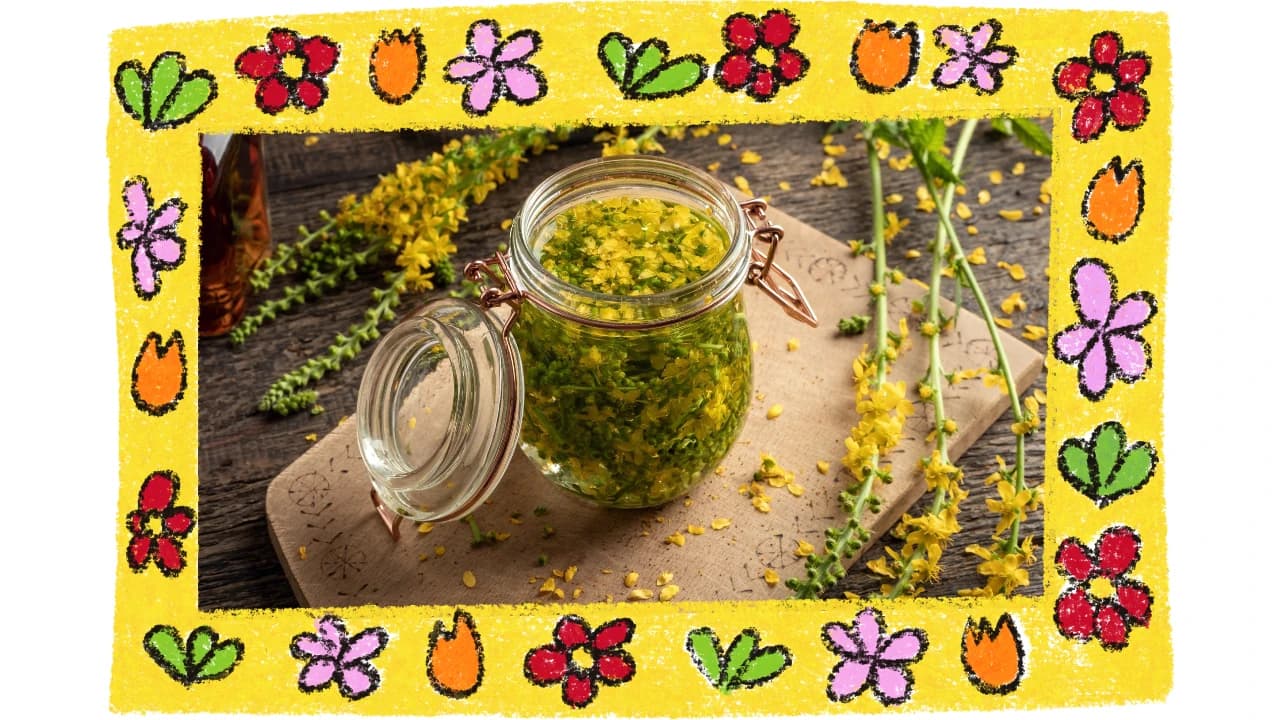
HerbsAgrimony (Agrimonia eupatoria): Benefits, Uses, and What the Evidence Shows
Agrimony's traditional uses for diarrhea, sore throat, and wounds, what the preclinical research actually shows, and how the herb is prepared and dosed.
 Herbs
HerbsWhite Peony (Paeonia lactiflora): Benefits, Dosage, and Safety
What white peony root is used for, what the rheumatoid arthritis trials on total glucosides of peony actually show, dosage, processed forms, and safety.
 Herbs
HerbsEuropean Peony (Paeonia officinalis): Traditional Uses, Evidence, and Safety
What European peony (Paeonia officinalis) was traditionally used for, why the modern evidence is thin, how it differs from white peony.
 Herbs
HerbsJu Hua (Chrysanthemum Flower): Benefits, Uses, and What the Evidence Shows
What Ju Hua (chrysanthemum flower) is used for in Chinese medicine, what the research actually supports, how it is brewed, and who should avoid it.
 Herbs
HerbsRehmannia (Rehmannia glutinosa): Benefits, Uses, and Safety
What rehmannia root is used for in Chinese medicine, what the research actually shows, the difference between raw and prepared forms, dosage, and safety.
 Herbs
HerbsBupleurum (Chai Hu): Benefits, Uses, and Important Safety Cautions
What bupleurum (Chai Hu) is used for in Chinese medicine, what the research actually shows for the liver, and the liver and lung safety signals to know.
About Herbs
In this category, readers learn how to evaluate herbal remedies using both tradition and evidence-aware thinking. You will find preparation methods, dosage context, and safety boundaries that support better decision making. Start with the featured articles below, then continue through related links to compare similar herbs and use cases.
This herbal wellness section is built for readers who want practical, responsible information about medicinal plants. Each guide is designed to explain traditional use, modern context, and preparation options in plain language. Instead of vague claims, the focus is on what a herb may be used for, how people commonly prepare it, and where caution is needed.