Search the library
 MovementHow to Stay Consistent With Exercise: What Actually Predicts Sticking With It
The research on exercise consistency points somewhere unexpected: the plan you choose matters far less than what you do in the week after you miss a session.
 NutritionIs Aspartame Safe? What the 2026 Sweetener Science Actually Says
Aspartame's cancer classification sounds alarming, but hazard isn't risk. Here's what WHO, FDA, and the 2026 sucralose update actually say.
 Wellness ToolsDoes Grounding (Earthing) Work? What the Evidence Actually Shows
Grounding mats are marketed on plausible biology, but independent evidence is thin. What the small studies actually show, and what they don't.
 Iron DeficiencyIron Deficiency in Women: Why It's So Common, and What Helps
Iron deficiency is one of the most common nutrient gaps in women. Why absorption, pregnancy, and diet matter as much as blood loss.
 Mindful LivingHow to Tell If a Health Study Is Actually Good
A calm, practical guide to judging health research: what RCTs, observational studies, and systematic reviews really tell you, and how to weigh them.
 Mindful LivingMorning Light Exposure and Circadian Rhythm: The Behavior Evening-Screen Advice Doesn't Cover
Morning light exposure helps set your circadian clock, but timing and intensity matter more than duration. Here's what the research actually shows.
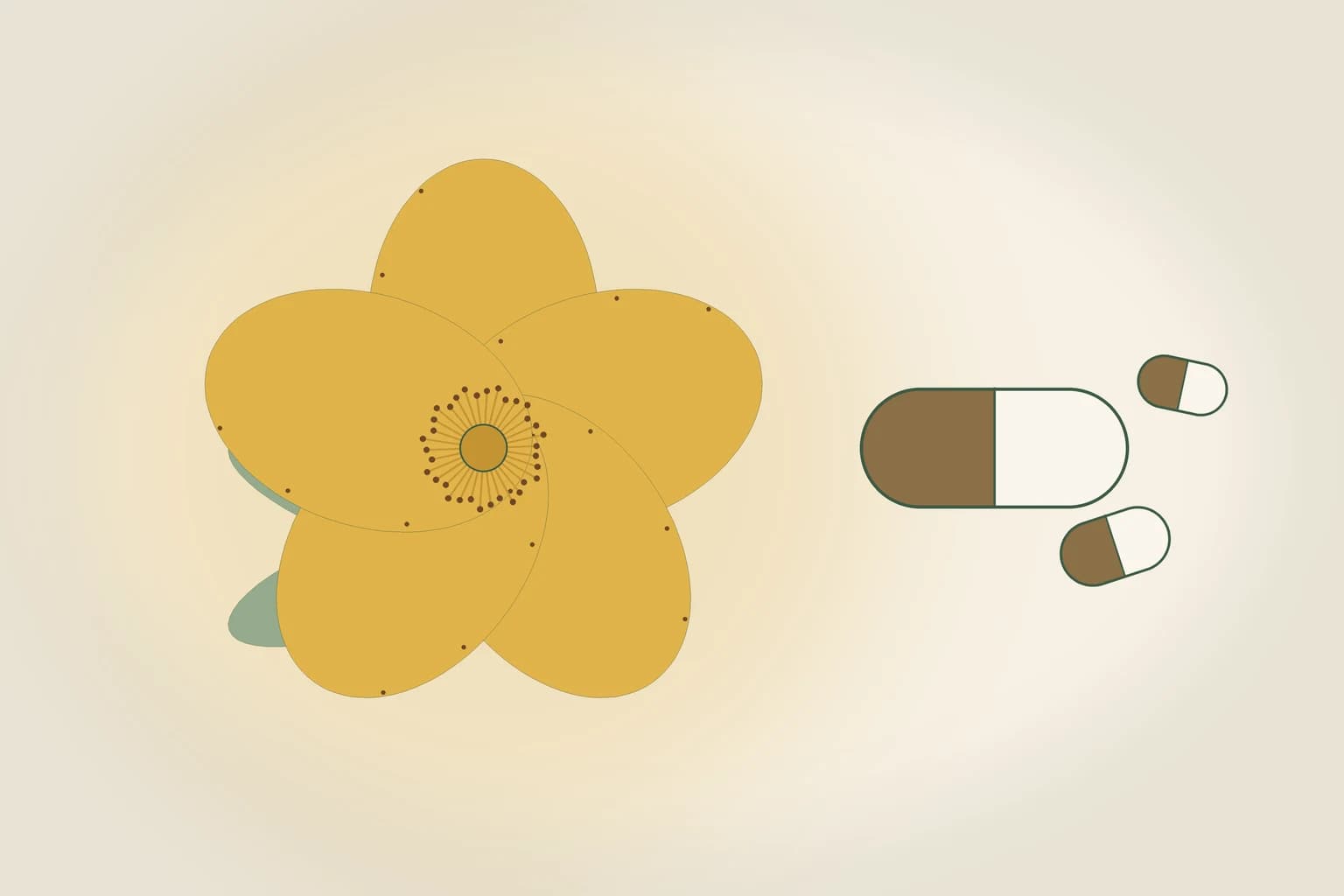 HerbsSt. John's Wort Drug Interactions: What It Silently Interacts With
St. John's Wort can interact with birth control, antidepressants, blood thinners and more. Here's what the evidence says about each interaction.
 NutritionWhy You Feel Tired After Eating Sugar (And When It's More Than a Normal Crash)
Feeling drained after something sweet is common. What the evidence actually shows about blood sugar dips, glycemic load, and when to talk to a doctor.
 Light TherapyDo Blue Light Glasses Work? What the Cochrane Review Found
A 2023 Cochrane review of 17 trials found blue light glasses probably don't cut eye strain, and a 2025 meta analysis found no clear sleep benefit either.
 EndometriosisWhat Is Endometriosis? Symptoms and Why Diagnosis Takes Years
Endometriosis affects about 1 in 10 women of reproductive age, yet diagnosis takes 4–12 years on average. What it is, and why recognition is slow.
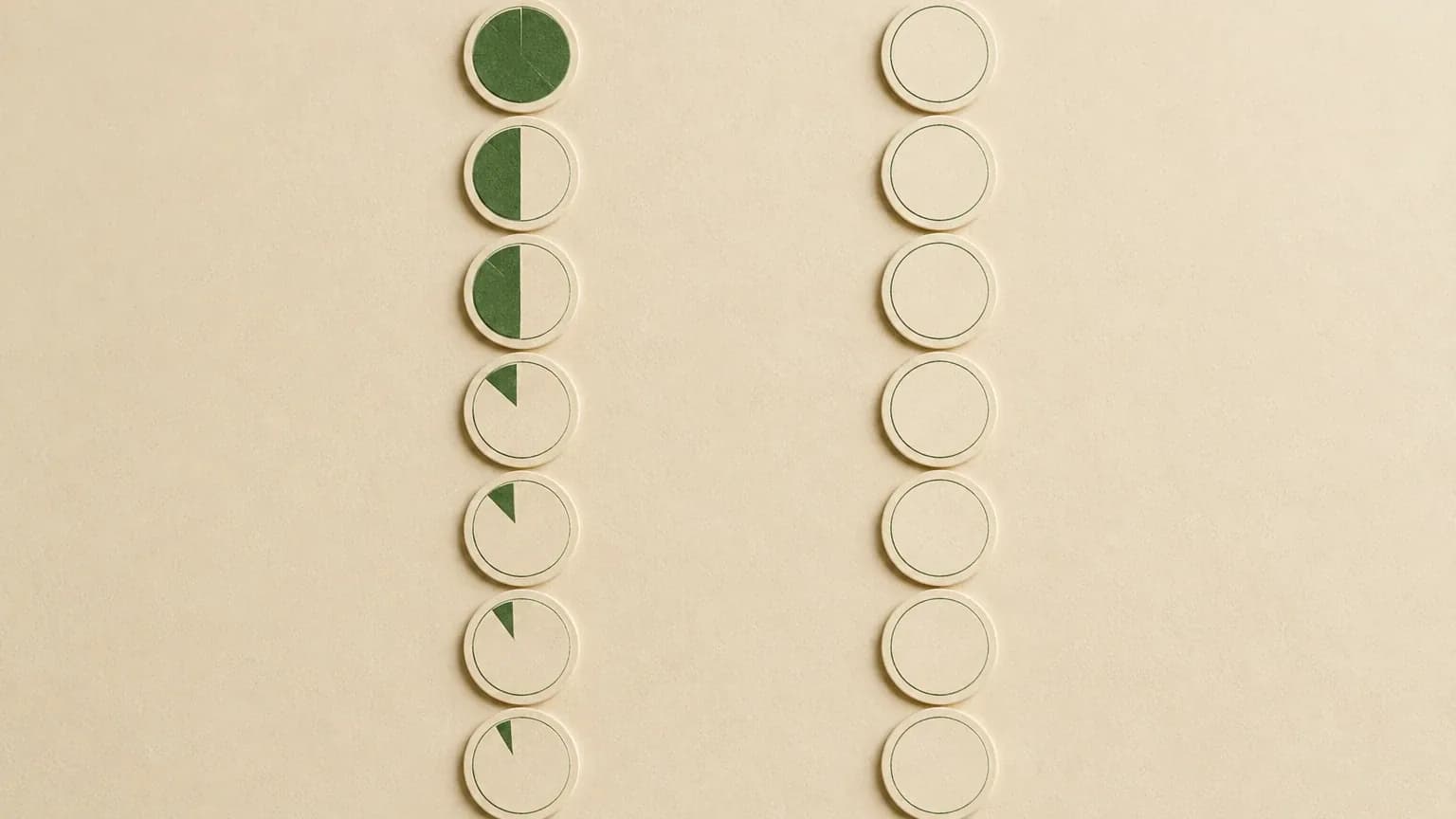 Food & NutritionSupplements to Reduce Cortisol and Belly Fat: A Graded Triage
Seven popular cortisol supplements, graded on two separate questions: does it lower cortisol, and did anyone measure belly fat? The second column is almost entirely empty.
 Food & NutritionWhat Does Cortisol Belly Look Like? An Honest Answer About Appearance
There is no visual marker that confirms stress caused abdominal fat. Here is what people are describing, what firmness and location do and don't tell you, and why this page carries no photographs of bodies.