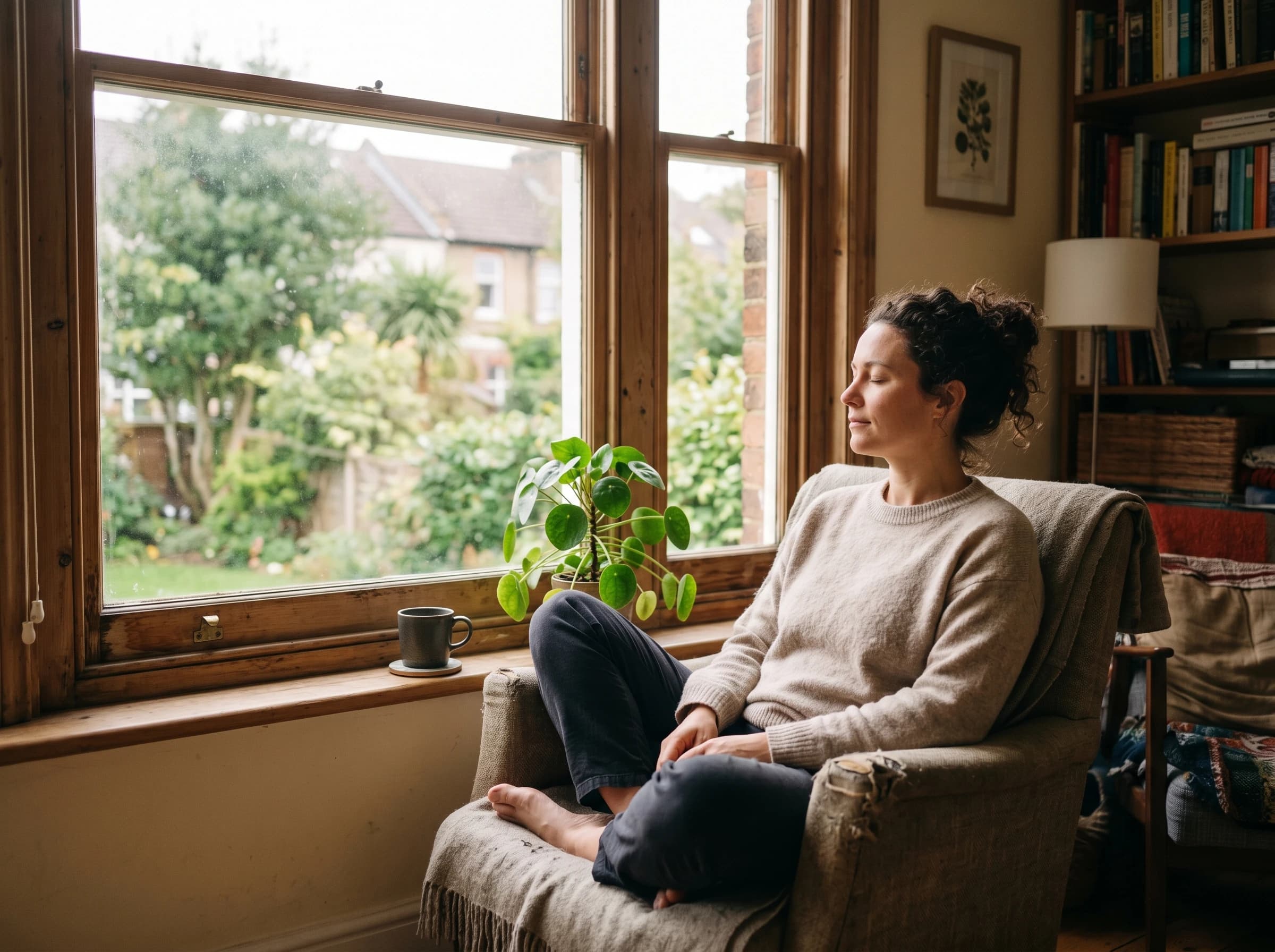

Slow living is not about quitting the internet or moving to a cabin. It is choosing pace and intention over speed and reaction, especially with technology built to keep you reacting. The honest version also means resisting the panic: the evidence linking screens to unhappiness is real but small and genuinely messy, so the goal is a better relationship with your devices, not guilt about them.
What slow living actually is (and isn't)
Slow living grew out of the Slow Food movement that began in 1980s Italy as a pushback against fast food, and it later spread to work, travel, and everyday life. At its core it is doing fewer things with more attention. It is worth separating from the glossy, expensive "slow life" aesthetic that fills social media; you do not need a linen wardrobe or a farmhouse to live more deliberately. The practice is free and portable, because it is mostly about where you put your attention.
What the evidence really says about screens and well-being
Here honesty matters, because the headlines outrun the data. The largest analysis of its kind, covering more than 355,000 adolescents, found that digital technology use was associated with well-being only very weakly, explaining about 0.4 percent of the differences between people. The authors compared that to something as trivial as how often someone eats potatoes (Orben & Przybylski, 2019). The wider screen-time literature is also contested, with researchers openly disagreeing about methods and conclusions.
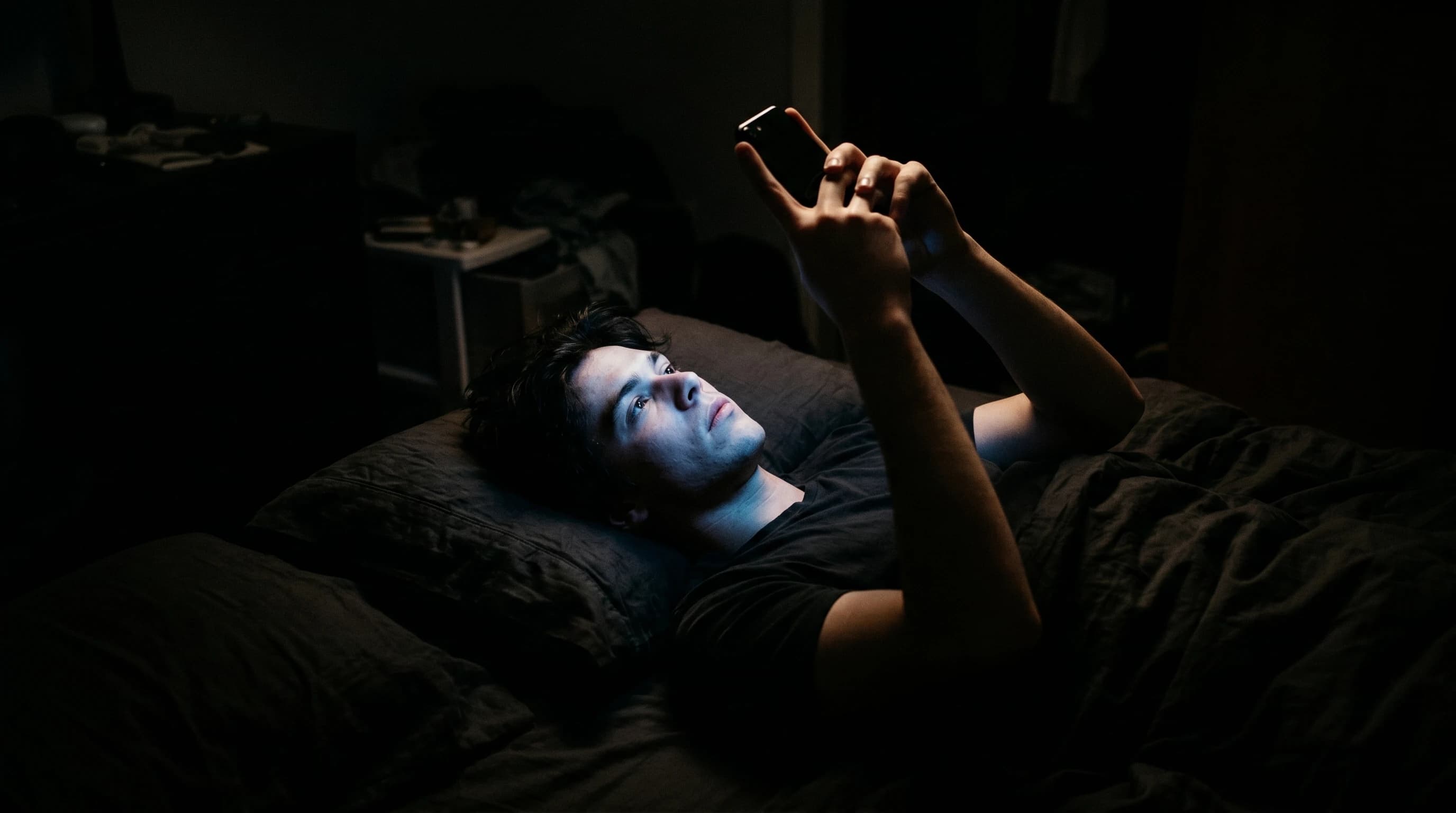
What does seem to matter is how you use technology, not just how long. Reviews that separate active use (messaging, creating, connecting) from passive use (silently scrolling and comparing) find that passive use is more consistently linked to lower mood, often through social comparison and envy, while active connecting use is not, though even here the results are mixed (active vs passive review). Evening screen use is also tied to worse sleep, partly through timing and arousal (Zhong et al., 2025), which is one of the clearer reasons to slow down at night; we cover that in screen time and blue light.
The takeaway is not "screens are poison." It is that endless passive scrolling and late-night use are the patterns most worth changing.
Practical slow-living habits that actually translate
You do not need an all-or-nothing detox. A few boundaries do most of the work:
- Start and end the day off-screen. Give yourself 15 to 30 minutes after waking, and 30 to 60 minutes before bed, without a device.
- Make one tech-free zone or time. No phones at the table, or none in the bedroom. Keep the rule simple.
- Batch your messages. Set times to check email and social media instead of reacting to every ping.
- Favor active over passive use. When you go online, message a friend or make something, rather than scrolling feeds.
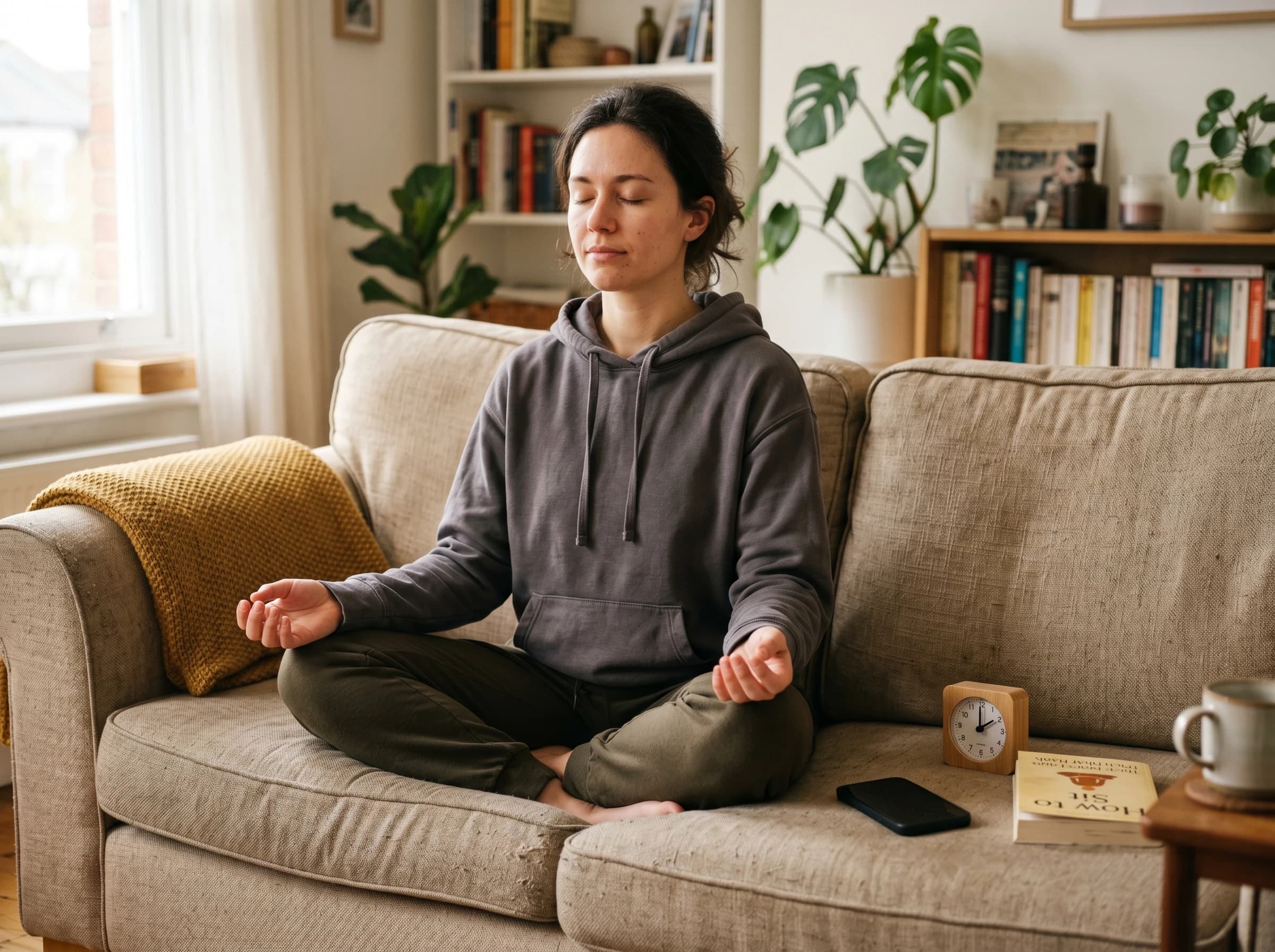
- Single-task. Do one thing at a time. Mindfulness practice can make this easier, and even modest mindfulness training has small but real benefits for attention and stress (Goldberg et al.; NCCIH). For specific practices, see mindful habits backed by research.
Common traps
Two pitfalls are worth naming. The first is treating slow living as a status symbol, an aesthetic you buy rather than a way you pay attention; the point is intention, not décor. The second is all-or-nothing thinking, where one busy week of scrolling feels like failure and you quit. Slow living is a direction, not a finish line. Noticing when you have drifted and gently returning is the same skill at the heart of mindful living, and it carries over to emotional well-being too.
Frequently Asked Questions (FAQ)
Is slow living anti-technology? No. It is about using technology on purpose, for things you value, rather than by reflex. The aim is intention, not abstinence.
Does screen time really harm well-being? The link is real but weak and contested. The largest study found screens explained well under one percent of differences in well-being. How you use devices, and when, matters more than total hours.
Do I need a digital detox? Probably not. Small, consistent boundaries tend to last longer and work better than dramatic detoxes you cannot maintain.
What is the single best habit? An off-screen wind-down before bed and an off-screen start to the morning. Both protect sleep and attention with little effort.
Isn't slow living just for people with money and free time? No. The expensive aesthetic is a distraction. The actual practice is about attention and intention, which cost nothing.
Medical disclaimer: This article is for informational purposes only. Always consult a qualified healthcare provider before making changes to your health routine.
Sources
- Orben A, Przybylski AK. The association between adolescent well-being and digital technology use. Nature Human Behaviour, 2019 — PubMed. https://pubmed.ncbi.nlm.nih.gov/30944443/
- The impact of social network sites on mental health: distinguishing active from passive use — PubMed Central. https://pmc.ncbi.nlm.nih.gov/articles/PMC7801842/
- Zhong C, et al. Electronic Screen Use and Sleep Duration and Timing in Adults. JAMA Network Open, 2025 — PubMed Central. https://pmc.ncbi.nlm.nih.gov/articles/PMC11950897/
- Goldberg SB, et al. The empirical status of mindfulness-based interventions: a systematic review of 44 meta-analyses of randomized controlled trials — PubMed Central. https://pmc.ncbi.nlm.nih.gov/articles/PMC8364929/
- Meditation and Mindfulness: What You Need To Know — National Center for Complementary and Integrative Health (NCCIH). https://www.nccih.nih.gov/health/meditation-and-mindfulness-what-you-need-to-know
All sources accessed 24 May 2026.

Sophia Martinez
A wellness writer at The Wellness Voyage, focused on what the evidence actually says about mindfulness and everyday wellbeing practices.