Introduction
Feeling stressed, tired, or constantly craving sugar? You’re not alone. Many everyday stress symptoms are linked to cortisol, the body’s main stress hormone. While cortisol is helpful in short bursts, chronic stress can keep it elevated longer than your body likes.
The good news is that food can gently support healthier cortisol levels. You don’t need special supplements or extreme diets. Simple, affordable foods—many you already eat—can help your body feel calmer and more balanced.
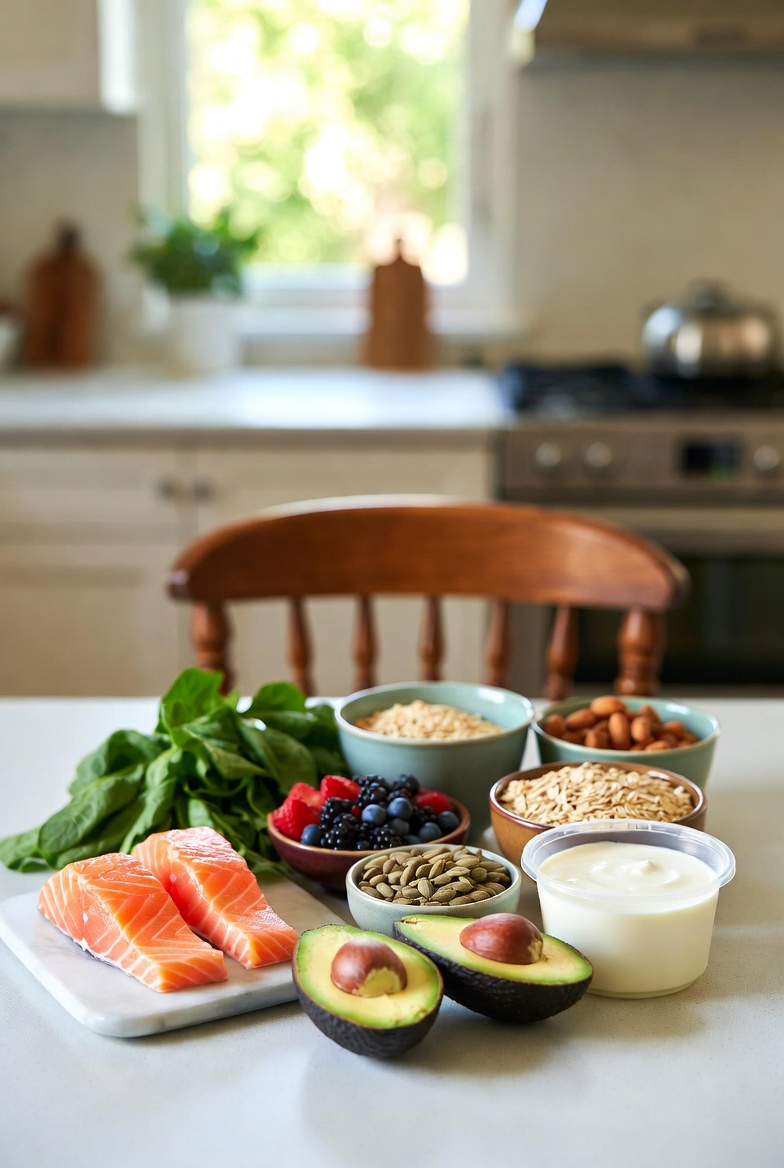
Below is a beginner-friendly list of the best foods that lower cortisol naturally, why they help, and easy ways to include them in real life.
Fatty Fish (Salmon, Sardines, Mackerel)
Why they help cortisol:
Fatty fish are rich in omega-3 fats, which support brain health and help calm the body’s stress response. Omega-3s may reduce inflammation, which often rises during chronic stress.
Easy meal ideas:
- Baked salmon with olive oil and lemon
- Sardines on whole-grain toast
- Canned salmon mixed into salads
How to include easily:
Aim for fatty fish 2 times per week. Canned options are affordable and quick.
Leafy Greens (Spinach, Kale, Swiss Chard)
Why they help cortisol:
Leafy greens contain magnesium, a mineral that supports relaxation and nervous system balance. Stress can drain magnesium over time.
Easy meal ideas:
- Spinach scrambled into eggs
- Kale added to soups or stews
- Greens blended into smoothies
How to include easily:
Add a handful to one meal per day. Frozen greens work just as well as fresh.
Berries (Blueberries, Strawberries, Raspberries)
Why they help cortisol:
Berries are rich in antioxidants and vitamin C. Vitamin C is used up during stress and may help regulate cortisol release.
Easy snack ideas:
- Berries with yogurt
- Handful of berries with nuts
- Frozen berries blended into smoothies
How to include easily:
Keep frozen berries on hand for quick snacks and breakfasts.
Whole Grains (Oats, Brown Rice, Quinoa)
Why they help cortisol:
Whole grains provide steady energy and help prevent blood sugar crashes. Sudden drops in blood sugar can trigger cortisol spikes.
Easy meal ideas:
- Oatmeal with fruit and nuts
- Brown rice bowls with veggies
- Quinoa salads
How to include easily:
Swap refined grains (white bread, pastries) for whole grains most of the time.
Nuts and Seeds (Almonds, Walnuts, Pumpkin Seeds)
Why they help cortisol:
Nuts and seeds provide magnesium, healthy fats, and protein—all helpful for stress balance and stable energy.
Easy snack ideas:
- Trail mix with nuts and seeds
- Almond butter on apple slices
- Pumpkin seeds sprinkled on salads
How to include easily:
Keep small portions nearby for stress-snacking instead of chips or candy.
Avocados
Why they help cortisol:
Avocados provide healthy fats and potassium, which support heart health and stress regulation.
Easy meal ideas:
- Avocado on whole-grain toast
- Added to salads or bowls
- Mashed as a dip
How to include easily:
Use avocado as a replacement for processed spreads or sauces.
Yogurt and Fermented Foods
Why they help cortisol:
Gut health and stress are closely connected. Probiotic foods support healthy gut bacteria, which can influence mood and stress response.
Easy options:
- Yogurt with live cultures
- Kefir smoothies
- Sauerkraut or kimchi as a side
How to include easily:
Add one probiotic food daily, even in small amounts.
Dark Chocolate (70% or Higher)
Why it helps cortisol:
Dark chocolate contains antioxidants and magnesium. Small amounts may help reduce stress hormones.
Easy snack ideas:
- One or two squares after dinner
- Melted over fruit
How to include easily:
Enjoy mindfully. A little goes a long way.
How to Include These Foods Easily (No Overwhelm)
You don’t need to eat everything perfectly. Start small:
- Add one cortisol-supporting food per meal
- Pair carbs with protein to avoid blood sugar spikes
- Eat regularly—skipping meals can raise cortisol
- Focus on progress, not perfection
Instead of cutting everything out, add calming foods in.
If you want a full daily structure and meal ideas,
Learn more about a full cortisol diet here: Cortisol Diet Guide: How to Lower Stress Hormone Naturally with Food.
Frequently Asked Questions
How fast can foods lower cortisol?
Some people notice better energy and fewer cravings within 1–2 weeks. Deeper changes take time and consistency.
Can food alone fix high cortisol?
Food helps, but stress management, sleep, and movement matter too. Diet works best as part of a bigger picture.
Do I need to avoid all sugar?
No. Whole-food sugars like fruit are fine. The goal is to limit refined and processed sugars.
Is caffeine bad for cortisol?
Not always. Drinking coffee with food and limiting intake earlier in the day is usually helpful.
Do I need supplements?
Most people can get benefits from food first. Supplements should be discussed with a healthcare provider.
Final Thought
Lowering cortisol doesn’t require extreme rules or expensive foods. Simple, nourishing choices—made consistently—can help your body feel safer, calmer, and more supported.
Start with one food. One meal. One small step. 🌱
Medical Disclaimer: This article is for informational purposes only and does not constitute medical advice. Consult a registered dietitian or physician before making significant changes to your diet, particularly if you have existing health conditions or take medications.

