
"Anti-inflammatory" has become one of the most overloaded terms in food marketing. Blueberries, turmeric, salmon, everything is anti-inflammatory now. Some of these claims have genuine evidence behind them. Many are stretched from lab-dish studies that have never been tested in humans at the doses found in food. The difference matters.
What the research actually says
Long-term, low-grade inflammation plays a real part in heart disease, type 2 diabetes, and some cancers. A 2015 review in the British Journal of Nutrition looked at how diet shapes inflammation. It found that your overall eating pattern, not single foods or nutrients, is the main driver (Minihane et al., 2015).
The strongest trial evidence comes from PREDIMED. It found that a Mediterranean diet with added olive oil or nuts cut major heart events by about 30%, compared with a low-fat diet, in high-risk adults (Estruch et al., 2018). A pooled analysis of trials found the same pattern also lowered markers of inflammation in the blood, and again the whole pattern did the work, not one food (Schwingshackl & Hoffmann, 2014).
The claims for curcumin (the active compound in turmeric) need context. Curcumin does calm inflammation in cell and animal studies. The catch in people is absorption: very little of it gets into the body from food, so the levels that work in the lab are not reachable from turmeric in your cooking (Anand et al., 2007). High-dose supplements show modest effects in some cases, but turmeric in food is a much smaller player.
What this means in practice
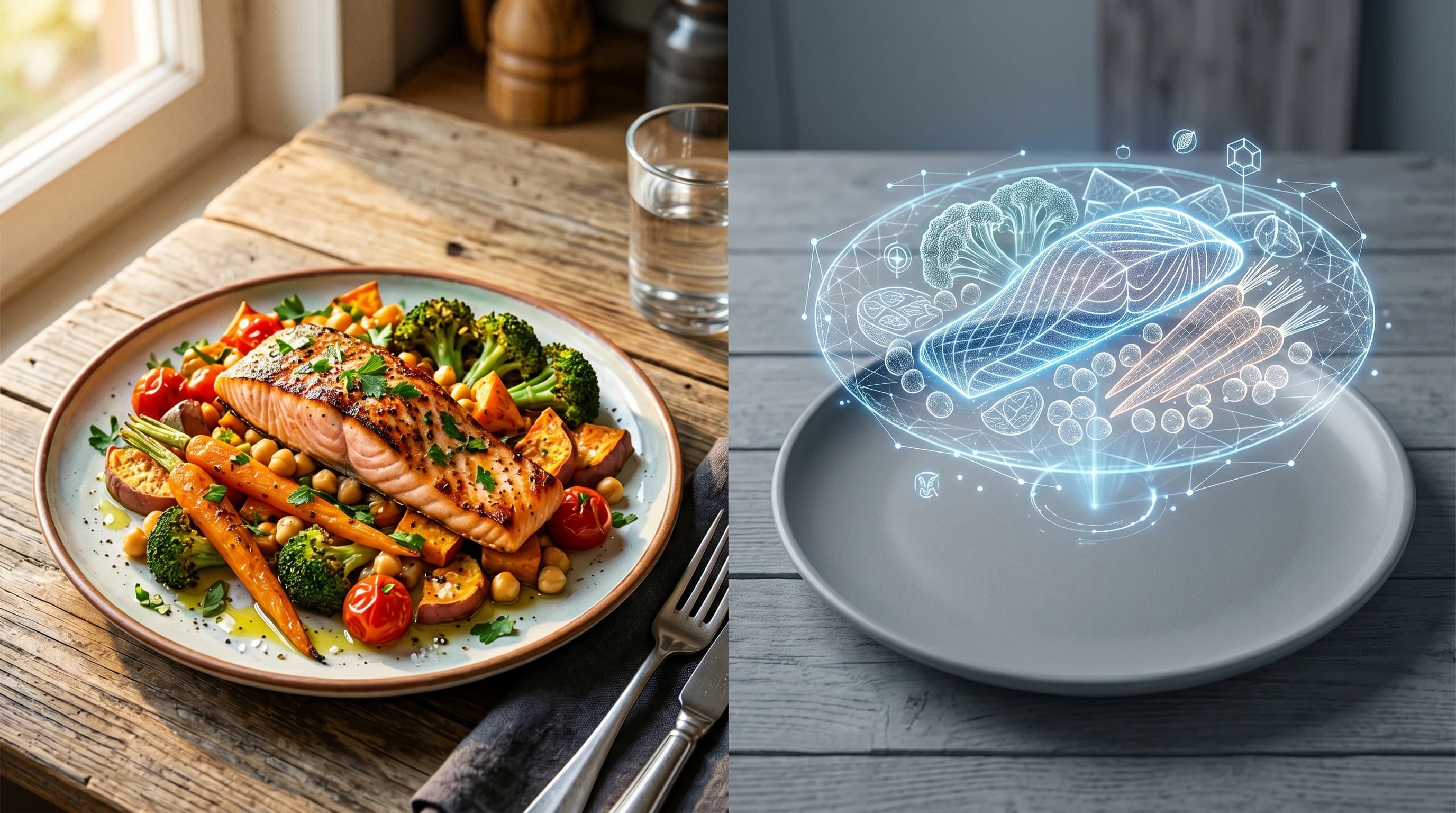
Focus on the pattern, not individual superfoods. The PREDIMED evidence supports the Mediterranean diet as a whole: plenty of vegetables, legumes, whole grains, olive oil, nuts, and fish, with limited red meat and processed foods (Estruch et al., 2018).
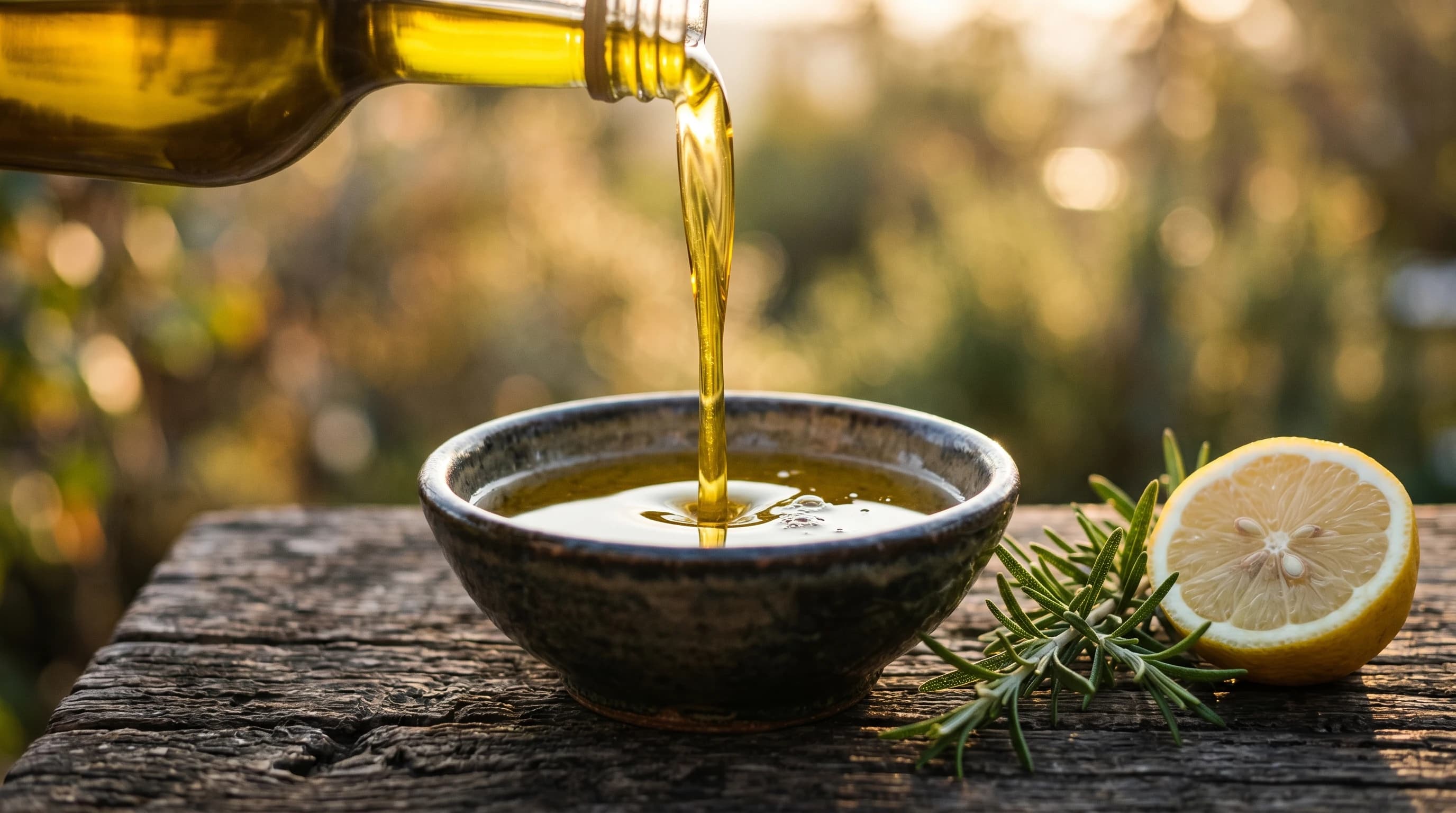
Omega-3 fats from oily fish (sardines, mackerel, salmon, anchovies) help calm inflammation, and the NHS suggests at least two portions of fish a week, one of them oily (NHS). Extra-virgin olive oil contains a compound called oleocanthal. In lab studies it blocks the same enzymes as ibuprofen, though at far lower doses than a painkiller, and olive oil is part of why the Mediterranean pattern lowers inflammation.
Going the other way matters just as much. Highly processed foods, refined sugar, and heavy alcohol use are consistently linked to higher inflammatory markers. Cutting these is at least as important as adding "anti-inflammatory" foods. For more on that, see our guide to ultra-processed foods.
Common myths
A specific food can "fight" inflammation. No single food meaningfully counteracts chronic inflammation. Both the Minihane review and PREDIMED point to the overall pattern as the unit that matters (Minihane et al., 2015). Adding a handful of blueberries on top of a diet high in processed food does little.
Turmeric lattes deliver meaningful curcumin doses. The absorption of curcumin from dietary turmeric is very low. Trials showing effects generally use high-dose supplements with piperine (black pepper extract) to boost absorption (Anand et al., 2007). A teaspoon of turmeric is not comparable.
Supplements replicate an anti-inflammatory diet. The PREDIMED benefit came from a whole pattern over years, not a single nutrient in a capsule. The combined effect of fiber, polyphenols, healthy fats, and micronutrients in real food is not reproduced by isolated compounds (Estruch et al., 2018).
What it looks like day to day
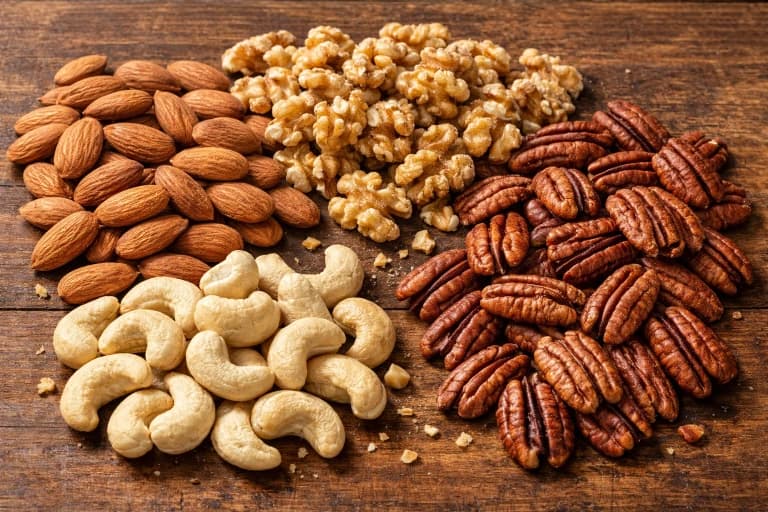
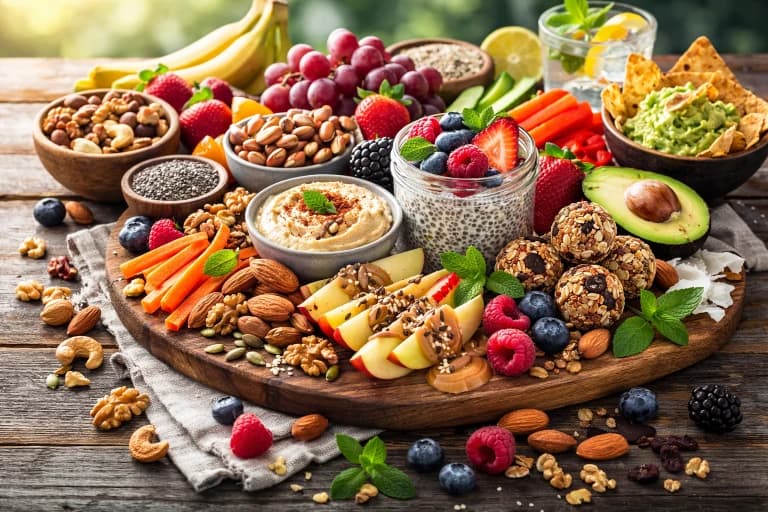
Most meals built around vegetables and legumes, olive oil as the main fat, whole grains instead of refined, two or more servings of oily fish a week, and nuts as the default snack. Red meat a few times a week at most. Packaged snacks, sugary drinks, and ultra-processed ready meals kept to the edges rather than the center. That is the Mediterranean diet in plain terms.
It is neither expensive nor exotic. Tinned sardines, frozen vegetables, dried lentils, olive oil, and oats are among the cheapest foods in most supermarkets and fit the pattern well. The barrier is usually habit, not cost. For the fats side of this picture, see our explainer on lipids and their role in health.
The bottom line
Chronic inflammation is a real contributor to major disease, and diet genuinely influences it. The strongest evidence points to the overall pattern, especially the Mediterranean diet, not to specific superfoods. If your diet already includes plenty of vegetables, legumes, olive oil, fish, and whole grains, a turmeric supplement is unlikely to move the needle. If it is heavy in processed food and refined carbohydrate, fixing that pattern is the most anti-inflammatory thing you can do. Browse our nutrition guides for more.
Frequently Asked Questions (FAQ)
What are the best anti-inflammatory foods? The evidence points to a whole pattern rather than single foods: lots of vegetables and legumes, olive oil, whole grains, nuts, and oily fish, with few processed foods. That combination, the Mediterranean diet, has the strongest evidence.
Does turmeric reduce inflammation? High-dose curcumin supplements show modest effects in some studies, but curcumin from food is poorly absorbed. A teaspoon of turmeric in a latte does not reach the concentrations used in trials.
Can a single food fight inflammation? No. No one food meaningfully counteracts chronic inflammation. Adding blueberries to an otherwise processed diet does little; the overall eating pattern is what matters.
Are anti-inflammatory supplements worth it? Usually not as a substitute for diet. The benefit in trials came from a whole dietary pattern over time, which isolated compounds in capsules do not replicate.
Medical disclaimer: This article is for informational purposes only. Always consult a qualified healthcare provider before making changes to your health routine.
Sources
- Minihane AM, et al. Low-grade inflammation, diet composition and health: current research evidence and its translation. British Journal of Nutrition, 2015 — PubMed. https://pubmed.ncbi.nlm.nih.gov/26228057/
- Estruch R, et al. Primary prevention of cardiovascular disease with a Mediterranean diet supplemented with extra-virgin olive oil or nuts (PREDIMED). New England Journal of Medicine, 2018 — PubMed. https://pubmed.ncbi.nlm.nih.gov/29897866/
- Schwingshackl L, Hoffmann G. Mediterranean dietary pattern, inflammation and endothelial function: a systematic review and meta-analysis of intervention trials. Nutrition, Metabolism and Cardiovascular Diseases, 2014 — PubMed. https://pubmed.ncbi.nlm.nih.gov/24787907/
- Anand P, et al. Bioavailability of curcumin: problems and promises. Molecular Pharmaceutics, 2007 — PubMed. https://pubmed.ncbi.nlm.nih.gov/17999464/
- NHS. Fish and shellfish nutrition. https://www.nhs.uk/live-well/eat-well/food-types/fish-and-shellfish-nutrition/
All sources accessed 31 May 2026.

Sophia Martinez, MS, CNS
A wellness researcher focused on what the evidence actually says.